A powerful January snowstorm that blanketed several U.S. states in heavy snow and ice is now creating a new and unexpected environmental threat. As temperatures slowly rise and weeks-old snow begins to melt, experts warn that the thaw could release dangerous pollutants into the air and waterways — posing health risks for millions of Americans.
While the storm itself brought immediate hazards such as icy roads and freezing temperatures, scientists say the aftermath may be just as concerning.
Snowpack Absorbs Dangerous Pollutants During Prolonged Cold
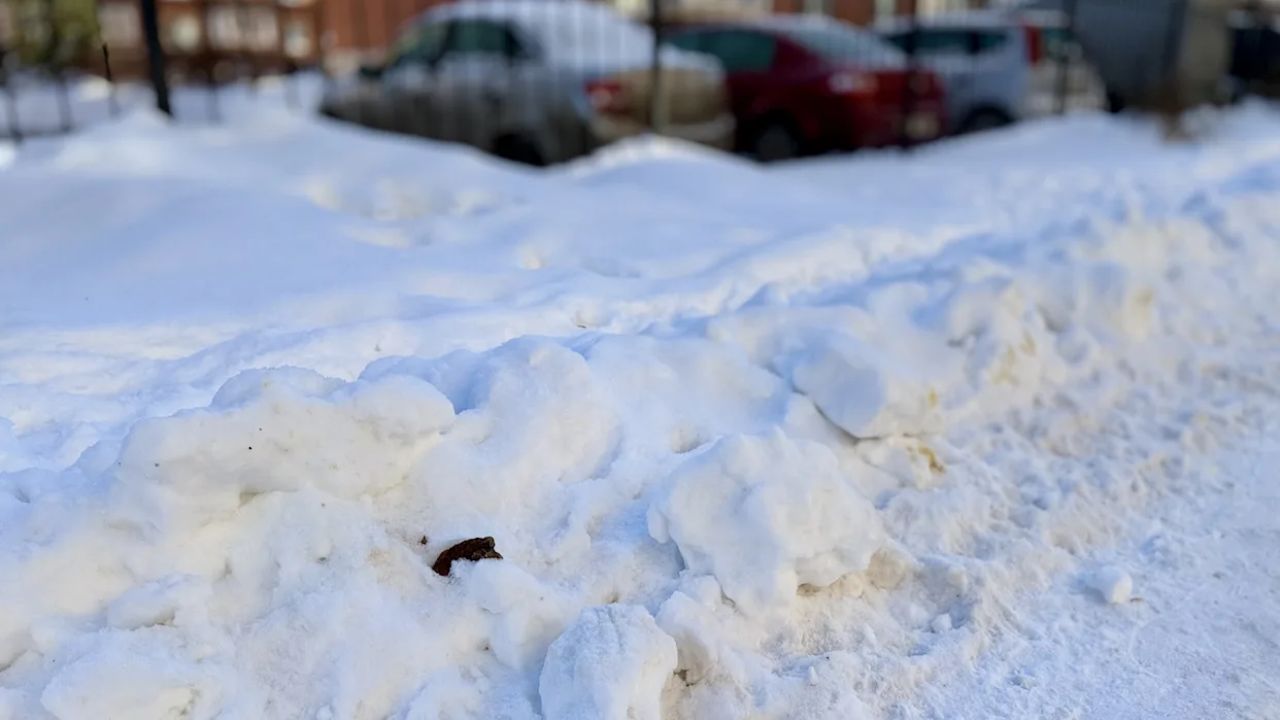
In states like Michigan, New York, and the broader Washington, D.C., region, snowdrifts sat frozen for weeks. During that time, researchers say the snow acted like a sponge — absorbing contaminants from vehicle exhaust, road salt, heavy metals, and carbon pollution.
A 2017 study published in the journal Environmental Pollution found that snowpack can trap a wide range of harmful pollutants, though scientists are still working to fully understand how those contaminants behave once temperatures rise.
In Michigan, as the snow finally began melting, experts warned that these accumulated toxins could be released back into the environment.
Air Quality and Waterways at Risk as Snow Melts
Dr. Dean McFarlane-Parrott, who spoke with WILX, explained the hidden danger of prolonged snow accumulation.
“If you can’t carry oxygen well, then heart attacks go up, strokes go up,” McFarlane-Parrott said. “… Little kids who are developing their lung function, if they have asthma, it makes it worse as well. If the air quality index is high, you should rethink what you’re doing.”
According to reports, Lansing, Michigan, recorded an Air Quality Index (AQI) reading of 118 during the melting period — a level considered unhealthy for sensitive groups.
In New York, WNYW reported similar concerns. Residents complained about buried dog waste and street debris being exposed during the thaw. The New York Times noted that melting snow also threatens local rivers and waterways as contaminated runoff flows into storm drains.
Meanwhile, WTOP reported that communities across the Washington, D.C., area were experiencing similar melting conditions and environmental concerns.
Residents React to Unexpected Health Concerns
Many residents admitted they had never considered melting snow as a pollution risk. Lansing resident Zac Williams told WILX that while he pays attention to air quality during wildfire season, he had not associated snowmelt with poor air conditions.
Health experts say that lack of awareness can be dangerous, especially for vulnerable groups including seniors, children, and individuals with asthma or cardiovascular conditions.
Officials advise residents to monitor local AQI levels and limit outdoor activities if pollution levels rise during snowmelt periods.
Researchers Explore Solutions to Reduce Future Risk
As extreme weather events become more frequent, experts say greater awareness is essential. Scientists are currently studying alternatives to traditional road salt, which contributes significantly to environmental contamination during winter storms.
The New York Times suggested mitigation strategies such as increasing green spaces in urban areas to absorb runoff before it reaches rivers. Environmental experts also recommend shoveling snow before applying salt and avoiding excessive salting whenever possible.
With climate patterns shifting and extreme winter events becoming more common, the hidden consequences of snowstorms may require greater long-term planning and public education.
What This Means Moving Forward
While snowstorms are often treated as short-term emergencies, their environmental impact can linger long after the snow stops falling. As temperatures warm and snow melts, communities may face unexpected spikes in air pollution and contaminated runoff.
Public health experts encourage residents to remain vigilant during thaw periods, especially if air quality levels rise.