
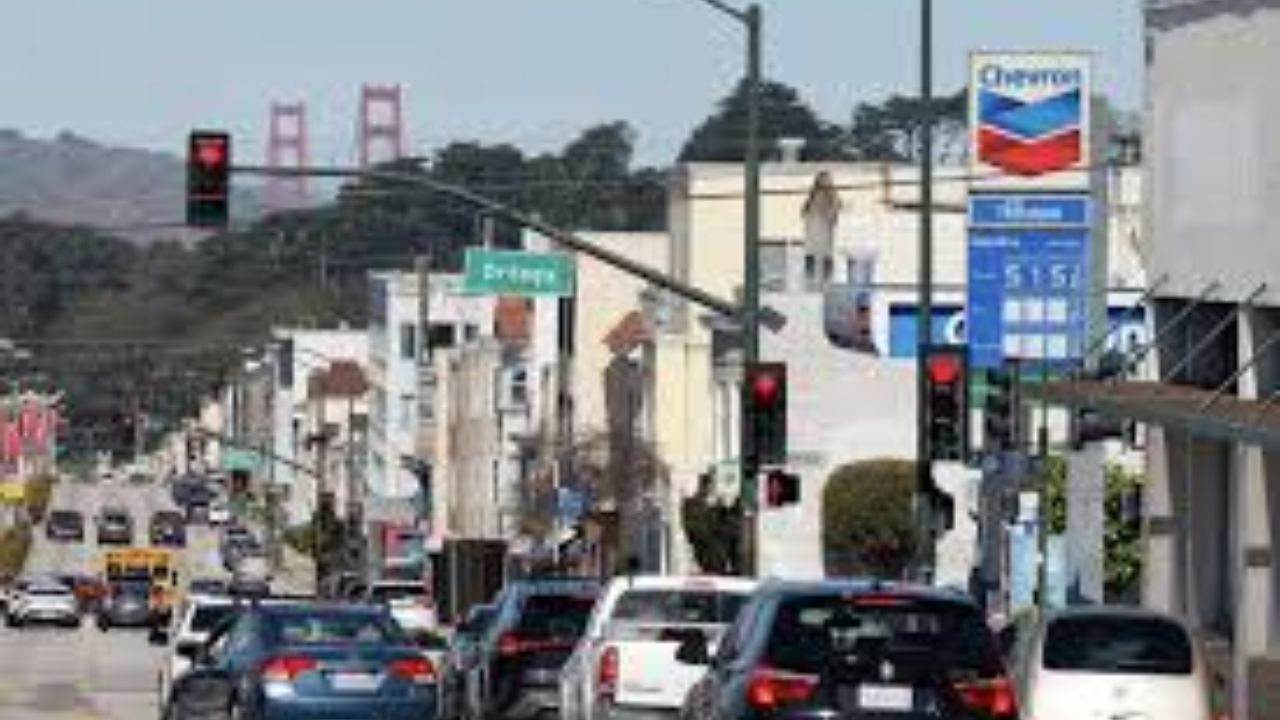
Rising fuel prices across California are creating fresh challenges for agricultural co-operatives, particularly those operating on thin profit margins. With the statewide average for regular gasoline climbing to $5.33 per gallon — significantly higher than the national average — farming operations and processing facilities are feeling the financial strain.
For grower-owned organizations like the Rhodes-Stockton Bean Co-op, higher fuel costs directly impact both warehouse operations and the farmers they serve. The co-op, which runs facilities in Tracy and Meridian, provides local growers with processing, packaging, and marketing services for dry beans — a niche segment of California agriculture compared to high-value crops like strawberries, tomatoes, or almonds.
Because the co-op is owned and controlled by its members rather than outside investors, its focus is entirely on supporting growers. However, that structure also means tighter operating margins and less flexibility to absorb sudden cost increases.
Fuel plays a major role in the bean supply chain. Farmers must transport harvested beans to processing plants, and the co-op handles inbound and outbound freight, including shipments from states such as Idaho and North Dakota. When diesel and gasoline prices spike, freight rates climb as well — adding pressure at every stage of production.
Unlike higher-value produce that can better withstand percentage-based price adjustments, dry beans typically operate on smaller, fixed margins. Even modest increases in transportation and operational costs can significantly cut into profitability for both farmers and processors.
The impact extends beyond the fields and warehouses. Many employees commute from surrounding communities such as Oakdale, Stockton, Patterson, Modesto, Yuba City, and Sacramento. For some staff members, daily travel has become substantially more expensive. Even management faces long commutes, with some traveling hours each day to oversee operations.
Industry leaders say global market forces continue to influence fuel prices, making it difficult to predict relief in the near future. For California’s agricultural co-ops — especially those serving smaller growers — sustained high fuel costs could further tighten margins and make farming even more challenging in an already competitive environment.
As planting and harvest seasons approach, growers are closely watching fuel trends, hoping for stability that would ease pressure on one of agriculture’s most essential — and unavoidable — expenses.