
What started as a life-threatening medical emergency turned into a year-and-a-half legal nightmare for a disabled Colorado grandmother — all because of a drug test experts say is notoriously unreliable.
Holly Bennett doesn’t remember the ambulance ride that rushed her to the hospital in septic shock. She doesn’t remember the MRI that revealed abscesses in her spine or the emergency surgery that saved her life.
What she does remember is waking up to a police officer in her hospital room.
“He said, ‘I’m giving you a ticket for possession of cocaine.’ I said, cocaine? I don’t do cocaine. And he said, ‘Well, that’s what was in your purse.’”
A Crushed Prescription — Mistaken for Cocaine
Hospital staff had discovered a crushed prescription medication in Bennett’s purse and handed it over to law enforcement. Police used a colorimetric field test — a quick roadside test that changes color when certain substances are present — and determined it was cocaine.
Bennett was offered a diversion deal if she pleaded guilty to possession.
She refused.
“I don’t want to lie,” she said.
Instead, she hired attorney Noah Stout to fight the charge.
A Test With a 40% False Positive Rate
Stout says prosecutors treated the case as straightforward and initially refused to retest the substance. But research shows colorimetric drug tests have a false positive rate of nearly 40%.
Common substances — including sugar, vitamins, and even bird droppings — have reportedly tested positive for illegal drugs. Experts estimate that tens of thousands of people nationwide may be wrongfully charged each year due to these tests.
The U.S. Department of Justice has cautioned that such tests should not be used alone as the basis for an arrest and that confirmatory lab testing should follow.
Despite that guidance, legal research suggests many cases end in guilty pleas without additional lab confirmation.
“When law enforcement shakes something and tells you ‘you have it,’ people don’t know how to fight that,” said one Colorado lawmaker. “So they take deals.”
Paying for Justice
Bennett was eventually allowed to have the substance retested — but only after agreeing to pay for it herself. The lab results confirmed the powder was her prescribed medication, not cocaine.
Ultimately, she did not have to cover the cost of the second test. But the process drained her financially and emotionally.
Over the course of 18 months, Bennett says she had to take out a second mortgage on her home to cover legal expenses. At one point, she missed a court hearing due to hospitalization and says a judge threatened her with jail time.
“All those months of paying for an attorney and the stress of that — it’s just not fair,” said one state representative supporting reform efforts.
“Holly’s Law” Gains Momentum
Now Bennett is turning her ordeal into advocacy.
State lawmakers have introduced legislation that would:
- Require police to issue a ticket instead of making an arrest in misdemeanor cases when using the field test
- Inform defendants of the test’s known error rate before any plea deal in felony cases
- Guarantee the right to request a confirmatory lab test
The proposed measure — informally known as “Holly’s Law” — has already cleared the state House and recently passed through the Senate Judiciary Committee without opposition.
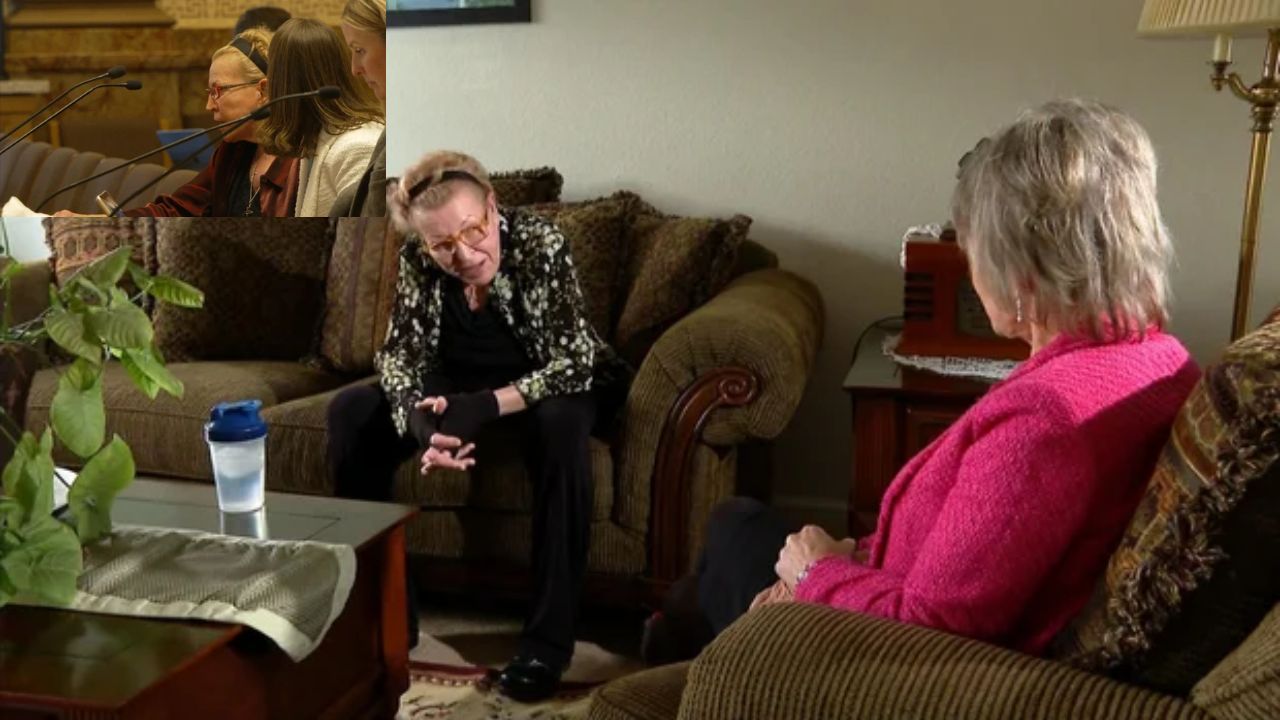
Bennett testified in support of the bill.
“I want people to know they can fight it,” she said. “They should be able to demand a retest without having to hire a lawyer.”
A Broader Concern
Her attorney warns that many people lack the resources or determination to challenge questionable results.
“What terrifies me,” he said, “is that others without Holly’s resources or tenacity may feel pressured into pleading guilty.”
For Bennett, the experience changed her life — but she hopes it will also change the system.
She would prefer to see the test eliminated entirely, but lawmakers describe the current bill as a compromise crafted by a task force representing multiple sides of the criminal justice system.
For now, a grandmother who nearly lost her life to infection is fighting to ensure others don’t lose theirs to a flawed test.