
Detroit, Michigan – Four Metro Detroit residents, including two former U.S. Postal Service employees, have pleaded guilty in a sprawling $63 million mail theft and fraud scheme that involved stealing checks from the mail and reselling them through online platforms. Federal prosecutors say the operation ran for years and targeted tax refunds, business payments, and pandemic-related benefits.
Incident Overview
According to the U.S. Attorney’s Office for the Eastern District of Michigan, the defendants admitted to conspiring to steal checks from the mail and facilitate large-scale bank and wire fraud. The scheme relied on insider access at the postal service, online resale networks, and fraudulent cashing methods that caused tens of millions of dollars in losses.
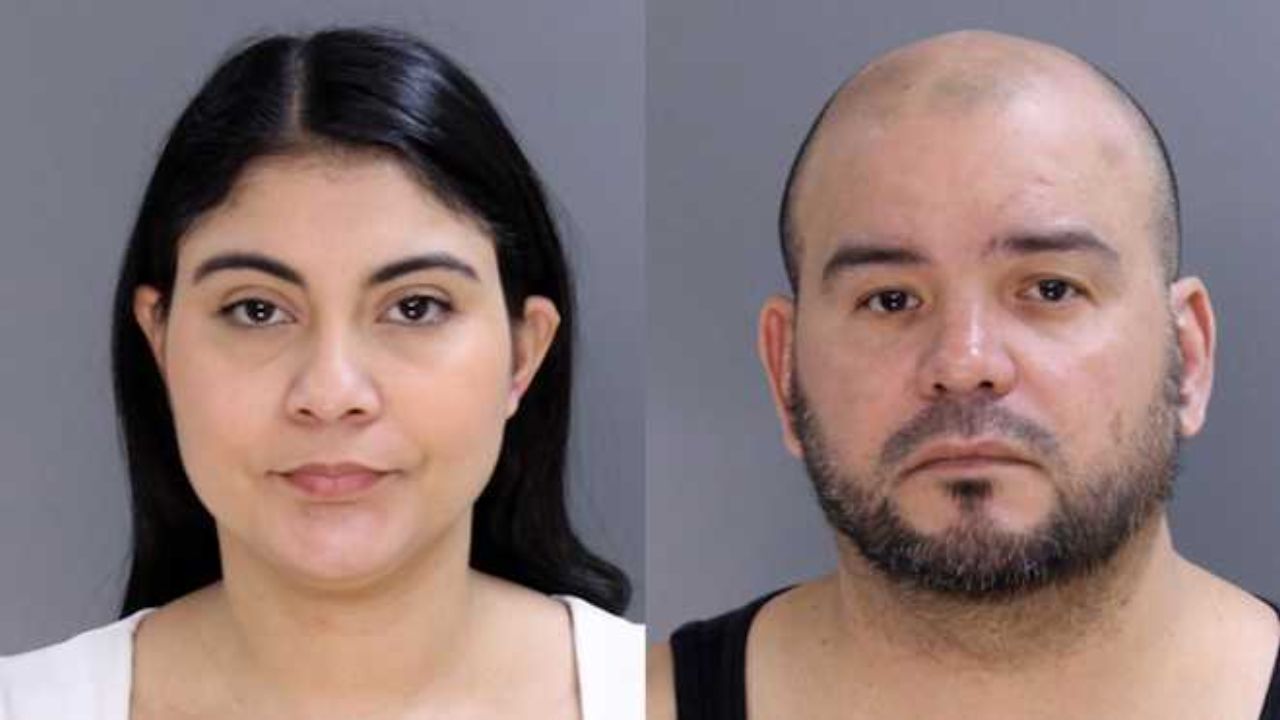
The four defendants are Jaiswan Williams, 32, of Rochester Hills; Daquan Foreman, 32, of Eastpointe; Vanessa Hargrove, 40, of Detroit; and Crystal Jenkins, 32, of Detroit.
Who Was Involved
Federal prosecutors identified Hargrove and Jenkins as former employees of the United States Postal Service who abused their positions to divert mail.
The remaining defendants, Williams and Foreman, were described as administrators of online marketplaces where stolen checks were sold to buyers seeking to cash them fraudulently.
All four pleaded guilty to conspiracy to aid and abet bank fraud and wire fraud, officials confirmed.
How the Scheme Worked
Prosecutors say the operation followed a deliberate, multi-step process:
Hargrove and Jenkins allegedly stole checks and mail items while working for USPS, including a large number of U.S. Treasury tax refund checks. These stolen items were then transferred to Williams and Foreman.
Williams and Foreman managed online marketplaces and promoted the stolen checks for sale using Telegram Messenger, an encrypted messaging application commonly used for private group communications.
“The defendants created an organized pipeline from stolen mail to fraudulent cashing,” prosecutors said in court filings.
The resale value of each check depended on its face value, with higher-dollar checks commanding higher prices.
Online Sales and Fraudulent Cashing
Authorities say buyers paid for the stolen checks using multiple electronic payment platforms, after which they attempted to cash the checks using a range of fraudulent techniques.
These methods included altered endorsements, fake identification documents, and the use of third-party bank accounts. Prosecutors say many of these attempts succeeded, contributing to the overall $63 million loss estimate tied to the scheme.
Pandemic Fraud Connection
In addition to the conspiracy charge, Williams also pleaded guilty to money laundering.
Federal prosecutors stated that Williams accepted responsibility for $1.5 million in fraudulent pandemic unemployment insurance claims submitted between May 2020 and September 2021.
This additional charge significantly increases his potential prison exposure.
Charges and Potential Sentences
All four defendants face up to 30 years in federal prison for the conspiracy charge alone.
Williams faces an additional up to 20 years for the money laundering charge, according to the U.S. Attorney’s Office for the Eastern District of Michigan, which announced the guilty pleas. Details of the case were outlined in the official release issued by the office.
Sentencing Timeline
Federal prosecutors confirmed the following sentencing dates:
- Daquan Foreman – March 3
- Vanessa Hargrove – March 3
- Jaiswan Williams – April 14
- Crystal Jenkins – May 27
The final sentences will be determined by a federal judge and will consider factors such as financial loss, abuse of public trust, and the scope of the conspiracy.
Broader Public Safety Concerns
Mail theft remains a growing concern nationwide, particularly as criminals increasingly target checks, tax refunds, and government-issued payments. Officials warn that insider involvement, such as cases involving postal employees, can dramatically increase the scale and impact of fraud schemes.
Consumers and businesses are urged to monitor bank activity closely, use secure payment methods when possible, and report missing mail promptly.
Conclusion
The guilty pleas mark a major step in dismantling a complex fraud operation that exploited the public mail system and online platforms for massive financial gain. Federal prosecutors say the case highlights the seriousness of mail theft crimes and the consequences for those who abuse positions of trust.
If you have been affected by mail theft or check fraud, report it immediately to authorities. Share your experiences in the comments below.