Detroit Lakes, Minnesota – Four men from Colorado are facing felony charges after authorities say they attempted to manipulate an ATM machine at a Detroit Lakes bank using a sophisticated method known as “jackpotting.” Investigators allege the suspects tried to access the ATM’s internal computer system to force it to dispense cash without a debit card.
The incident, which occurred in early February, prompted a rapid law enforcement response and has raised concerns about emerging forms of high-tech financial crime in rural communities.
Incident Overview
According to court records filed in Becker County District Court, the four men were charged with felony unauthorized computer access – penetrating a security system or electronic terminal. Authorities allege the suspects were caught tampering with an ATM after it began displaying unusual error codes.
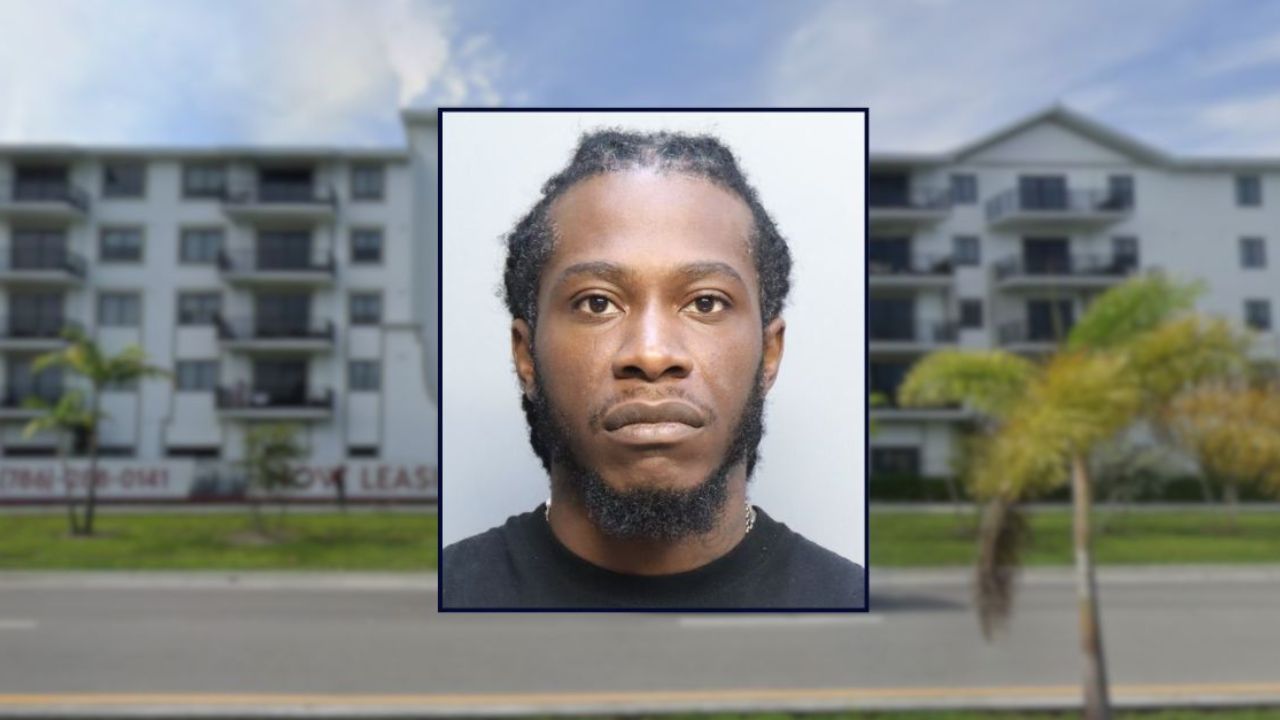
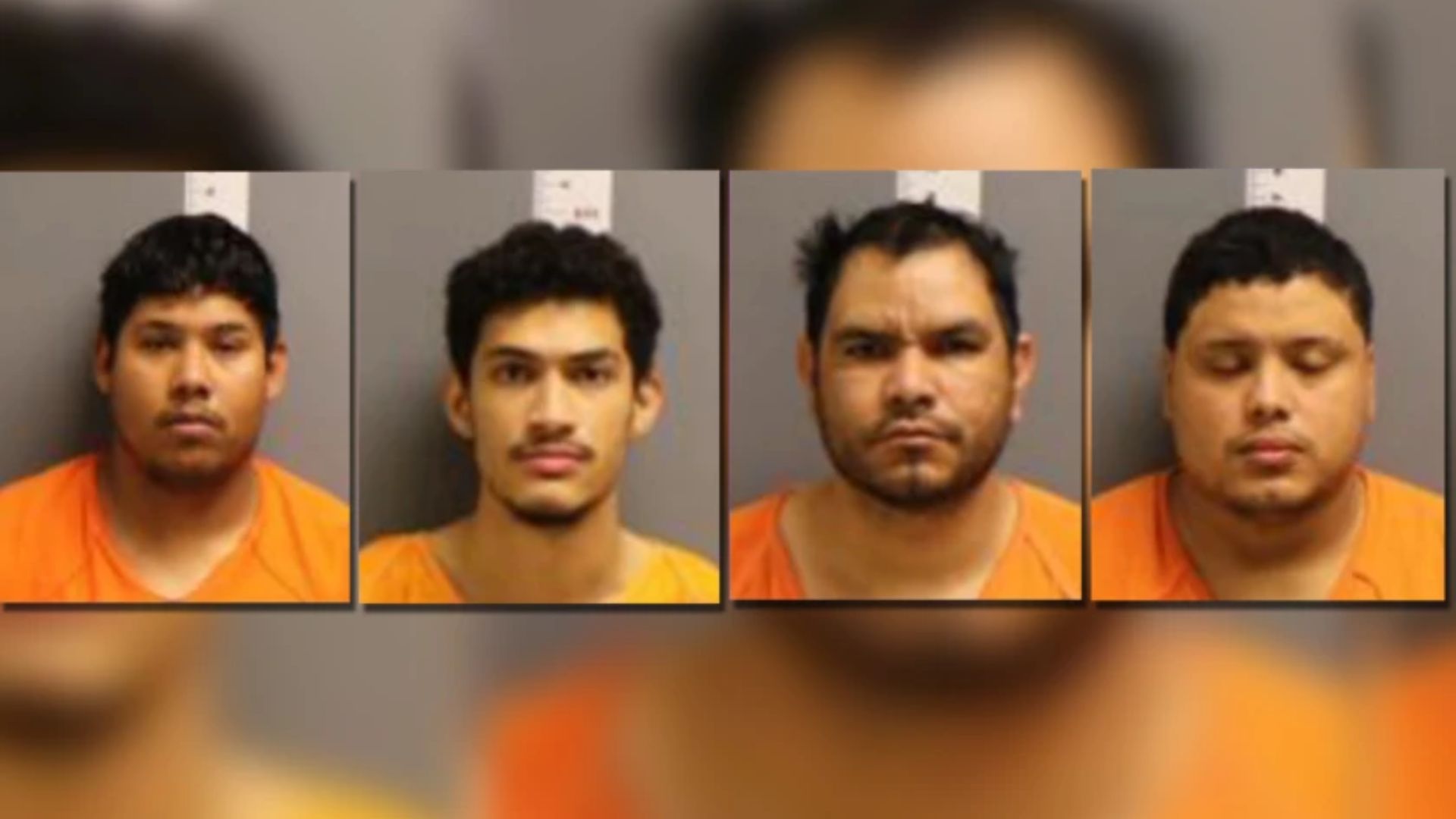
The accused were identified as Anthony Javier Sanchez Paez, 35, of Aurora, Colorado; Alejandro Jose Molina Vasquez, 26, of Denver; Leybnis Alejandro Infante Centeno, 24, of Northglenn, Colorado; and Sneyder Jose Yoris Torres, 22, address unknown.
Timeline of Events
On February 1, local law enforcement officers received information about suspicious activity involving an ATM at a Detroit Lakes bank. By the time officers arrived, several individuals believed to be involved had already been taken into custody.
A special agent later spoke with a Becker County deputy, who reported that the ATM appeared to have been tampered with and was displaying abnormal error messages shortly after the suspects were seen near the machine.
Details from Investigators
During the investigation, authorities discovered evidence suggesting a planned and technical attempt to breach the ATM. A large black duffel bag was found near the machine, along with a keyboard believed to have been used to interface with the ATM’s internal system.
Investigators also noted that a panel on the ATM had been pried open, leaving behind a black pry mark, indicating forced access. Based on these findings, the special agent concluded that the suspects were attempting to connect directly to the ATM’s computer.
“Instead of breaking into the ATM physically, the goal appeared to be accessing the ATM’s internal computer to communicate code and force it to dispense money,” the agent stated in court documents.
Understanding ‘Jackpotting’
ATM “jackpotting” is a form of electronic theft where criminals bypass traditional security measures by hacking into an ATM’s operating system. Rather than stealing cash by force, perpetrators manipulate software commands to trigger the machine to release money.
Law enforcement officials say this method requires technical knowledge and equipment, making it more dangerous and harder to detect than traditional ATM theft.
Confession and Roles of the Accused
One of the suspects, Leybnis Alejandro Infante Centeno, initially denied any involvement when questioned by investigators. However, after being informed that bank security footage placed him at the scene, he changed his account.
Centeno later admitted his role in the operation, stating that he was offered money to participate. According to his statement, he served as the driver, waiting in the vehicle while others carried out specific tasks.
He told investigators that Anthony Javier Sanchez Paez and Sneyder Jose Yoris Torres allegedly worked directly on breaking into the ATM, while Alejandro Jose Molina Vasquez acted as a lookout, walking around the area to watch for law enforcement or witnesses.
Reaction from Bank Officials
Bank officials praised the swift response from law enforcement, noting that the incident was handled before any reported loss of money.
“What was most impressive was how quickly police handled the situation,” said Midwest Bank CEO Steve Daggett, emphasizing the coordination between bank staff and authorities.
Public Safety and Crime Prevention Concerns
Authorities say incidents like this highlight the evolving nature of financial crime and the importance of vigilance. ATM jackpotting has been reported across several states, often involving organized groups traveling long distances to target smaller communities.
Law enforcement encourages banks and the public to report suspicious behavior immediately, particularly individuals loitering near ATMs with bags, electronic equipment, or tools.
Conclusion
The four men now face serious felony charges as the case proceeds through Becker County District Court. Investigators continue to examine whether the group may be connected to similar incidents elsewhere, while officials stress the importance of early detection and rapid response in preventing financial crimes.
Share your experiences in the comments below.