HASTINGS, Neb. — Residents across central Nebraska are being urged to stay alert as a round of scattered thunderstorms is expected to move through the region late Thursday afternoon, followed by a sharp drop in temperatures that could bring damaging frost overnight into Friday morning.
The changing conditions are expected to impact cities including Hastings, Grand Island, Kearney, Holdrege, and York, creating a double concern for both commuters and farmers within a short time window.
According to the National Weather Service in Hastings, storm chances will build through midweek, increasing significantly on Thursday. What starts as scattered activity could quickly turn into stronger thunderstorms during the evening commute hours.
Storm Timing and Travel Impact
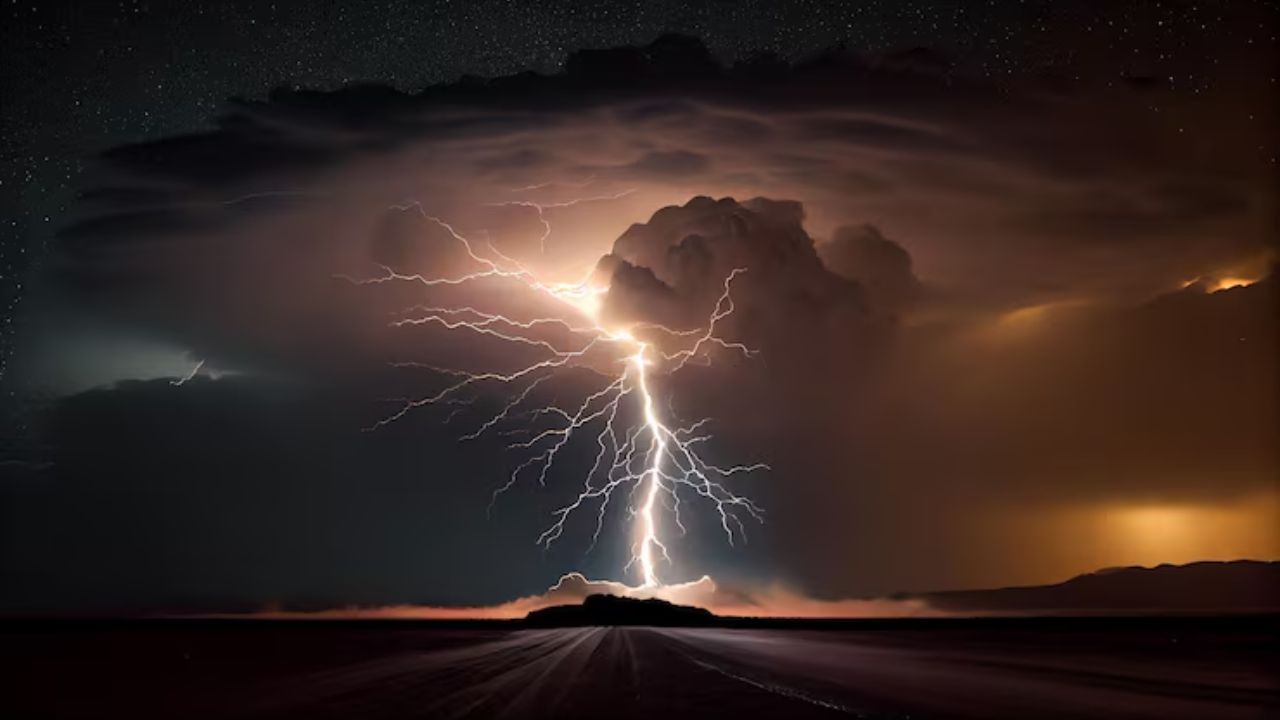
The most active period is expected between 3 p.m. and 9 p.m. Thursday, when thunderstorms may bring lightning, brief heavy rain, and sudden drops in visibility. While rainfall totals may not be extreme, even short bursts of rain can create dangerous driving conditions.
Key highways such as US-281 and I-80 could become slick, especially in areas where water collects quickly. Drivers may encounter reduced visibility, standing water, and slower traffic during peak travel hours. Rural roads and low-lying areas near Grand Island and Kearney are particularly vulnerable to pooling water.
Officials advise limiting unnecessary travel during this window and exercising extra caution behind the wheel.
Rapid Temperature Drop and Frost Risk
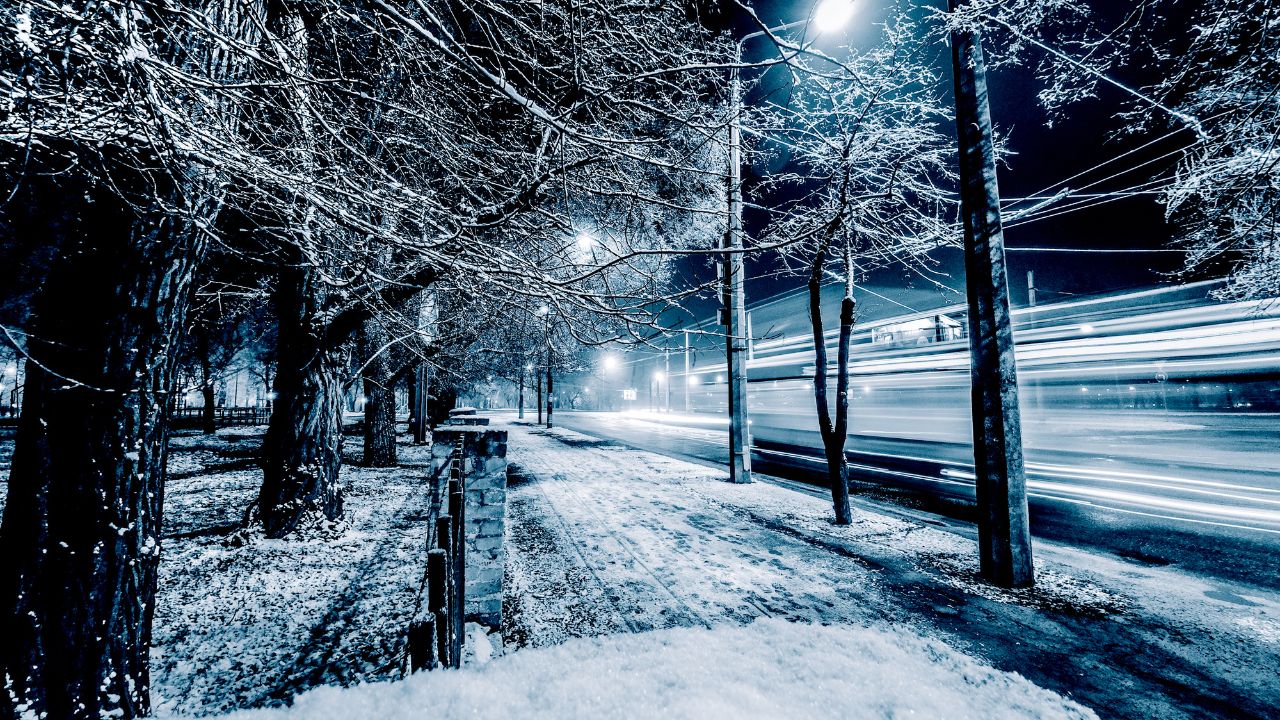
As the storms move out and skies begin to clear, a colder air mass will settle over the region overnight. Winds are expected to calm, allowing temperatures to fall rapidly into the 27 to 37 degree range between 2 a.m. and 7 a.m. Friday.
These conditions are ideal for frost formation, especially in open fields and low-lying agricultural areas. The sudden shift from storms to freezing temperatures could pose a serious risk to crops, particularly for farmers who have already begun early planting.
Another round of frost or freezing conditions may also return Friday night into early Saturday, extending the concern beyond a single night.
What Residents Should Do
People in affected areas should prepare for both phases of this weather system:
- Avoid outdoor activities during thunderstorms, especially where lightning risk is high
- Drive carefully on wet roads and watch for sudden visibility changes
- Secure or cover sensitive plants and crops before midnight Thursday
- Monitor local updates as conditions may shift quickly
A Rapidly Changing Situation
This system highlights how quickly spring weather in the central Plains can shift—from unstable, storm-producing conditions to cold, frost-friendly temperatures within hours. For many, the biggest concern will be navigating the evening safely, followed by protecting crops overnight.
The most critical periods remain Thursday evening for storms and early Friday morning for frost, when impacts are expected to be at their peak.