Harris County, Texas — A 27-year-old Lyft driver was shot and killed after being lured to a pickup location by a rider using a fake identity in Harris County, Texas, in what his family describes as a preventable and deeply tragic incident. The case has now escalated into a lawsuit, raising serious concerns about driver safety and platform accountability in the ride-hailing industry.
What Happened
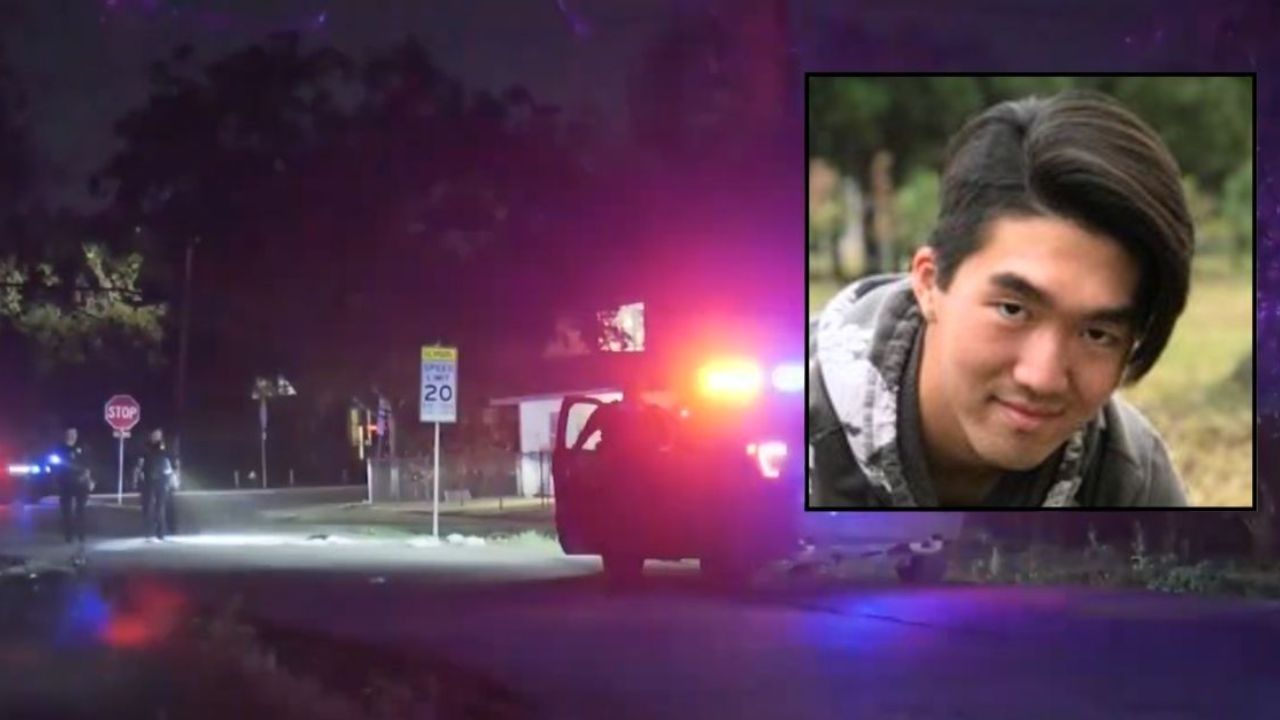
According to details outlined in the legal complaint, the victim, Philip Kim, was working as a Lyft driver on the night of February 26, 2025, when he accepted a ride request. The request was allegedly made using false identification, a tactic that investigators say has been used in multiple recent crimes targeting rideshare drivers.
Kim was dispatched to a location where, prosecutors allege, he was robbed at gunpoint, shot, and left on the side of the road. The suspect then fled the scene in Kim’s vehicle. Authorities later recovered the car just a short distance away after it crashed into a ditch.
Despite emergency response efforts, Kim did not survive.
Suspect and Investigation
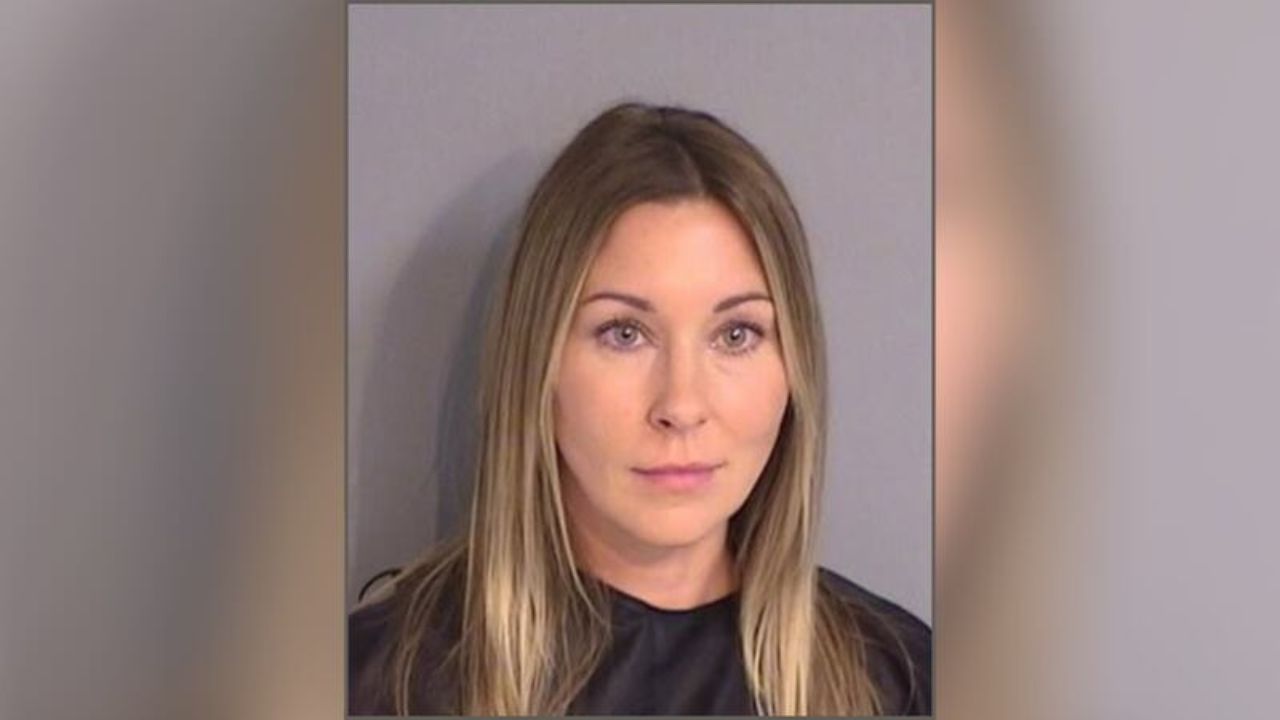
Court records show that 18-year-old Anthony Perkins has been charged with capital murder in connection with Kim’s death. He is also facing additional charges related to earlier incidents involving rideshare drivers.
Investigators believe Kim was not the first target. Just days before the fatal shooting, two other drivers were reportedly robbed at gunpoint in the same general area. In one case, the suspect allegedly used someone else’s identity to request a ride, then threatened the driver with weapons shortly after the trip began.
Authorities say multiple individuals may have been involved in the fatal attack. One suspect has reportedly been taken into custody, while another remains at large.
Family’s Allegations
Kim’s family has filed a lawsuit claiming the incident could have been prevented. The complaint alleges that Lyft was aware of recent violent crimes targeting drivers in that specific area but failed to warn or protect its drivers.
The lawsuit argues that the company continued to send drivers into a high-risk location despite having knowledge of prior incidents involving armed robberies and carjackings.
For Kim’s family, the loss is not just about one act of violence but about what they believe was a failure to act on known risks.
A Father’s Grief
Kim’s father has spoken publicly about the night his son was killed, describing the growing concern when he could no longer reach him. Using a tracking device attached to his son’s belongings, he followed the vehicle’s movement, only to later discover it had ended up at a police location.
The moment he realized something was wrong quickly turned into a devastating confirmation of loss.
He described his son as someone who was simply working hard to earn a living, questioning why such violence would target someone doing an honest job.
Larger Safety Concerns
This case has reignited discussions around the safety of gig workers, particularly rideshare drivers who often work alone and rely on platform systems for security. The use of fake identities to request rides has emerged as a growing concern, with critics arguing that stronger verification systems are needed.
The lawsuit also points to a broader issue — whether ride-hailing companies are doing enough to protect drivers when there are clear warning signs of repeated criminal activity in certain areas.
What Happens Next
As the legal case moves forward, it is expected to examine not only the actions of the accused but also the responsibilities of rideshare platforms in ensuring driver safety.
For now, the tragedy has left a family searching for answers and accountability, while also highlighting the risks faced by thousands of drivers who rely on these platforms every day.
The investigation remains ongoing, and authorities continue to search for any additional suspects connected to the case.