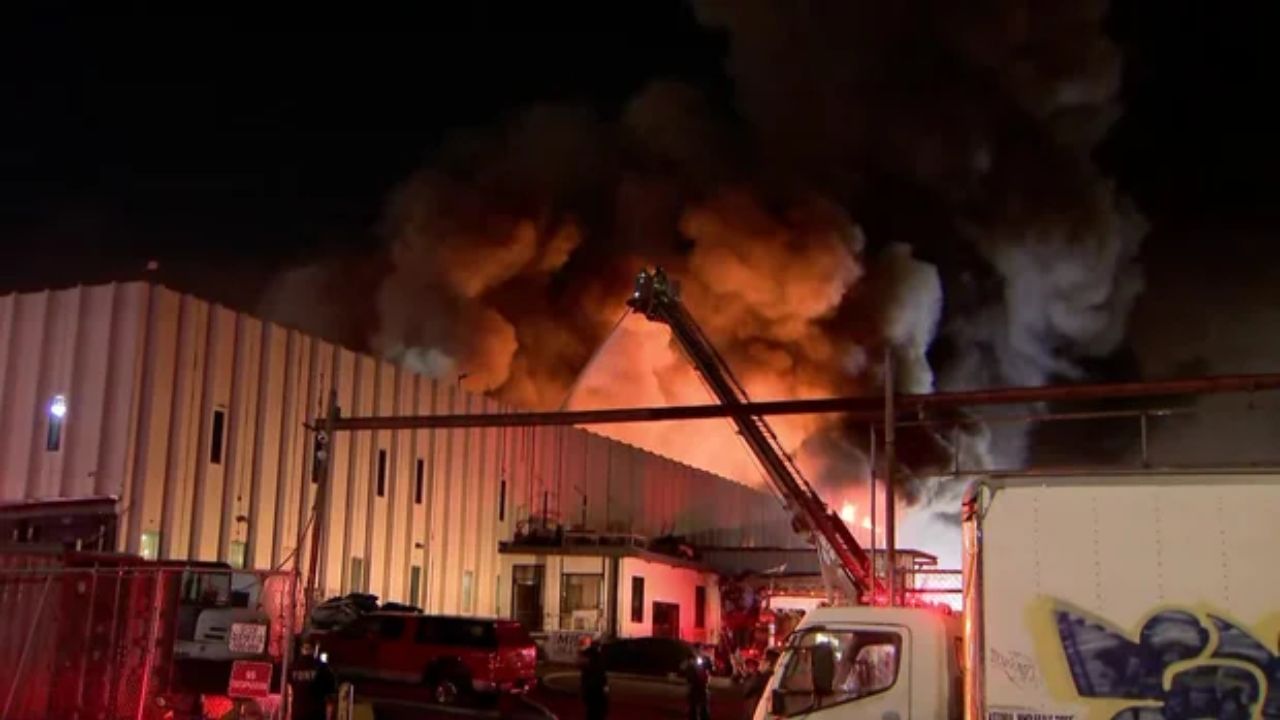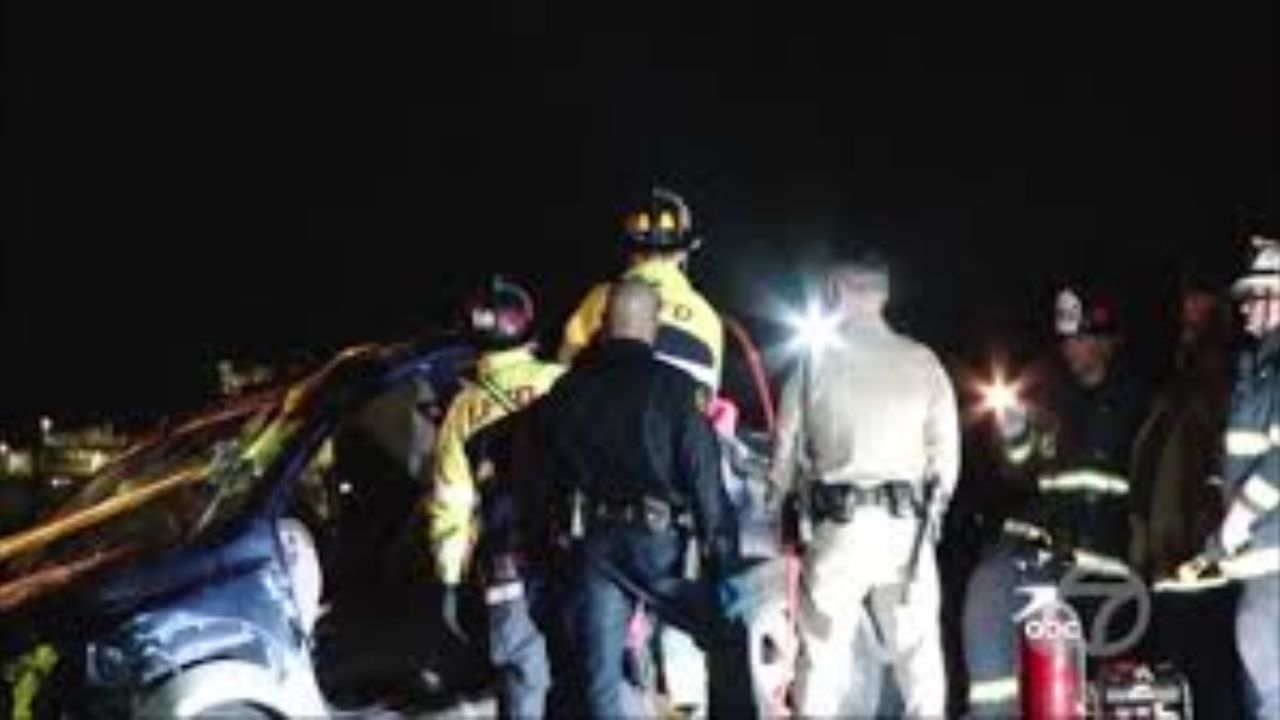
Newport, Rhode Island – A 21-year-old college student died Monday evening after suffering carbon monoxide poisoning while sitting inside a running vehicle during the Blizzard of 2026, according to local authorities. The vehicle was reportedly covered in heavy snow, with its exhaust pipe blocked, creating a deadly buildup of fumes.
First responders arrived at a Bellevue Avenue parking lot around 7:20 p.m. after receiving a report of an unresponsive person inside a car. The victim was later identified as Joseph Boutros, 21, a student at Salve Regina University.
Incident Overview
Police said Boutros was found unconscious inside a running vehicle that had become buried in snow during the powerful winter storm. Authorities noted that the car’s exhaust pipe was embedded in snow, preventing proper ventilation and allowing carbon monoxide gas to accumulate inside the vehicle.
Emergency crews transported Boutros to a nearby hospital emergency room, where he was pronounced dead. Officials confirmed the cause of death as carbon monoxide poisoning and described the incident as accidental.
Timeline of Events
According to the Newport Police Department, officers and emergency personnel were dispatched at approximately 7:20 p.m. Monday to a parking lot on Bellevue Avenue.
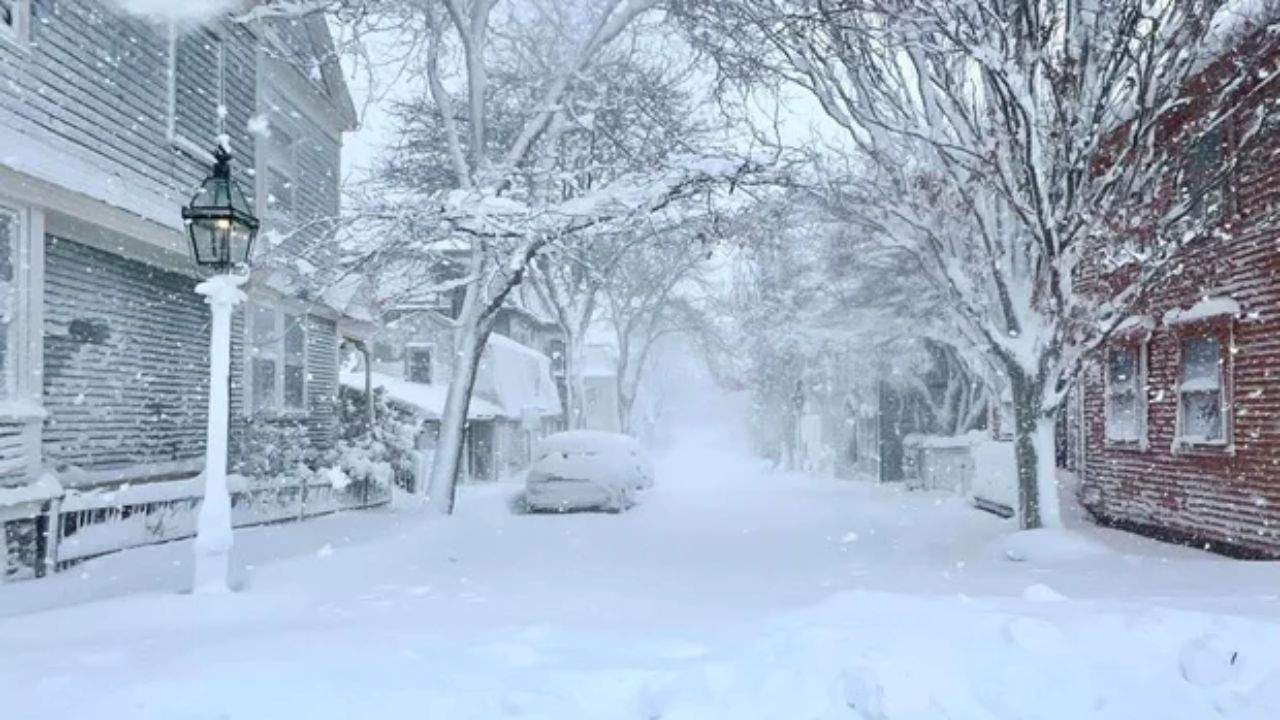
Police stated that the car was still running when they arrived and was heavily covered in snow due to the blizzard conditions. The storm had blanketed Newport with approximately 34 inches of snow, according to the National Weather Service.
Authorities believe Boutros had been inside the vehicle charging his phone while the engine was idling.
Details From Police
In an official statement, Newport police explained the dangerous conditions that led to the tragedy.
“This vehicle was covered in snow and the exhaust pipe was embedded in the snow,” Newport police said.
Officers emphasized that blocked exhaust pipes can cause lethal levels of carbon monoxide to build up within minutes.
“This tragic incident was accidental and a reminder to be vigilant to keep exhaust pipes clear of snow and debris when vehicles are idling,” police added.
Carbon monoxide is a colorless, odorless gas that can cause unconsciousness and death without warning. When exhaust systems are obstructed, the gas can seep back into the vehicle cabin.
About Joseph Boutros
Joseph Boutros, 21, was a resident of Bohemia, New York, and a student-athlete at Salve Regina University. He played as an offensive lineman on the school’s Seahawks football team and was majoring in criminal justice and criminology.
University President Kelli J. Armstrong issued a statement expressing grief over the loss.
“Our community mourns this tragic loss. Our hearts ache with Joseph’s family, teammates, faculty, coaches, friends and all who loved him. May perpetual light shine upon him and may he rest in peace.”
The university community has been offering counseling services and support for students and staff affected by the loss.
Blizzard Conditions and Snowfall Impact
The Blizzard of 2026 brought severe winter weather across Rhode Island and parts of Massachusetts. Newport recorded 34 inches of snowfall, significantly impacting roads and public safety.
City officials had urged residents to remain home to allow plow crews to clear roads and manage hazardous conditions. Heavy snow accumulation increases the risk of blocked vents, exhaust pipes, and ventilation systems, making carbon monoxide exposure more likely during power outages or vehicle idling.
Carbon Monoxide Warnings Across the Region
The danger was not isolated to Rhode Island. In Scituate, Massachusetts, officials issued a carbon monoxide safety warning Tuesday after four people were hospitalized due to improperly placed generators.
One generator had reportedly been placed inside a closed garage, leading to dangerous gas buildup. The Scituate Emergency Management Agency reminded residents:
“Make sure that your generators are at least 20-25 feet away from your home!”
These incidents underscore the heightened risks during winter storms when residents may rely on vehicles or generators for warmth and power.
Carbon Monoxide Safety Awareness
Carbon monoxide poisoning can occur quickly and without noticeable symptoms. Early signs may include headache, dizziness, nausea, confusion, and shortness of breath. In severe cases, victims may lose consciousness within minutes.
Safety experts recommend:
- Clearing snow away from vehicle exhaust pipes before starting the engine
- Avoiding idling vehicles in enclosed or snow-covered areas
- Installing carbon monoxide detectors in homes
- Keeping generators at least 20–25 feet away from buildings
- Never running generators inside garages or enclosed spaces
Winter storms significantly increase the risk of accidental exposure, especially when heavy snowfall blocks ventilation.
Conclusion
The death of Joseph Boutros, 21, serves as a sobering reminder of the hidden dangers posed by carbon monoxide during severe winter weather. As communities continue to recover from the Blizzard of 2026, authorities are urging residents to take extra precautions when using vehicles or generators in snow-covered conditions.
If you have experienced hazardous winter weather conditions or have safety tips to share, Share your experiences in the comments below.