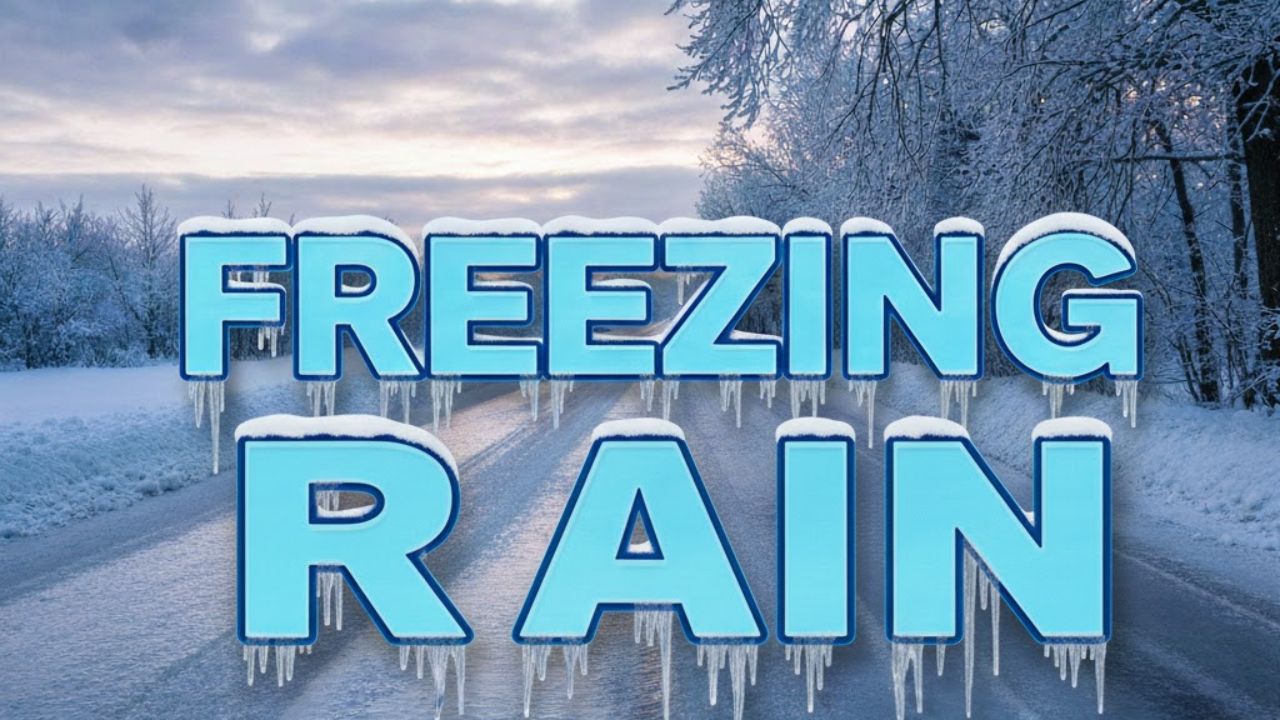
La Crosse, Wisconsin – A narrow but potentially dangerous band of freezing rain is impacting parts of the Upper Midwest early Tuesday, creating slick and unpredictable travel conditions across southeast Minnesota and west-central Wisconsin. Forecasters warn that even slight temperature changes could determine whether roads remain merely wet or become coated with a hazardous layer of ice during the morning commute.
Freezing Rain Corridor Brings Localized but Serious Risks
According to the National Weather Service office in La Crosse, a Winter Weather Advisory remains in effect through Tuesday morning for portions of southeast Minnesota and central to west-central Wisconsin. The advisory highlights the potential for ice accumulations ranging from one to two tenths of an inch, enough to significantly affect driving, especially on untreated roads, bridges, and elevated surfaces.
What makes this system especially concerning is its highly localized nature. Meteorologists say the most significant icing is expected within a narrow corridor just 10 to 15 miles wide, stretching from near Red Wing, Minnesota, eastward toward Wisconsin Rapids. Areas just outside this band may experience only rain, while locations within it could see a thin but dangerous glaze of ice.
Counties and Communities at Greatest Risk
In Minnesota, Wabasha County is among the areas under the advisory. In Wisconsin, affected counties include Buffalo, Trempealeau, Jackson, Monroe, Juneau, Adams, Clark, and Taylor. Within these counties, several communities could experience slick conditions through late morning.
Cities and towns potentially impacted include Wabasha, Alma, Arcadia, Black River Falls, Sparta, Tomah, Neillsville, Mauston, and Medford. Residents in these areas are advised to remain alert, as road conditions can deteriorate quickly, especially during periods of freezing rain mixed with light drizzle.
Morning Commute Could Be the Most Dangerous Period
Forecasters indicate that the highest risk window aligns with the early-morning commute, when surface temperatures hover near the freezing mark. During this time, untreated roads, parking lots, sidewalks, and overpasses are especially vulnerable to icing.
Because freezing rain often appears deceptively light, drivers may not immediately recognize icy patches until traction is lost. Officials stress that even a thin layer of ice can cause vehicles to slide, particularly when braking or turning.
Travel and Safety Guidance for Drivers
Transportation and emergency officials are urging motorists to adjust travel plans if possible. Key safety recommendations include:
• Slow down and reduce speed well below posted limits
• Increase following distance to allow extra stopping time
• Avoid sudden braking or sharp turns
• Use caution on bridges and overpasses, which freeze first
Drivers are also encouraged to check updated road conditions before heading out. Minnesota travelers can visit 511mn.org, while Wisconsin motorists should consult 511wi.gov for real-time highway updates and reported incidents.
Power Outages and Infrastructure Concerns
While ice accumulations are expected to remain modest, localized power outages are possible if ice builds up on tree branches and power lines, especially in areas where icing persists for several hours. Utility crews are monitoring conditions, and residents are encouraged to report outages promptly if they occur.
Sidewalks, steps, and driveways may also become slippery, increasing the risk of falls for pedestrians. Residents are advised to use caution when walking outdoors and to apply ice melt where available.
Advisory Timeline and What to Expect Next
The Winter Weather Advisory is scheduled to remain in effect through noon Tuesday, though forecasters caution that slick spots may linger beyond that time, particularly in shaded or untreated areas. As temperatures gradually rise later in the day, freezing rain is expected to transition to plain rain, improving conditions.
However, officials note that minor temperature fluctuations could still alter the extent of icing, underscoring the importance of staying updated on the latest forecasts and advisories.
Conclusion
This freezing rain event highlights how a narrow weather feature can create outsized impacts across a small region. While not everyone will experience icy conditions, those within the Red Wing to Wisconsin Rapids corridor should remain cautious, especially during the morning hours. Staying informed and adjusting travel behavior can significantly reduce the risk of accidents during this brief but hazardous weather window.
If you are traveling through the affected areas this morning, take extra time, drive carefully, and stay alert to rapidly changing road conditions. Share your experiences in the comments below.