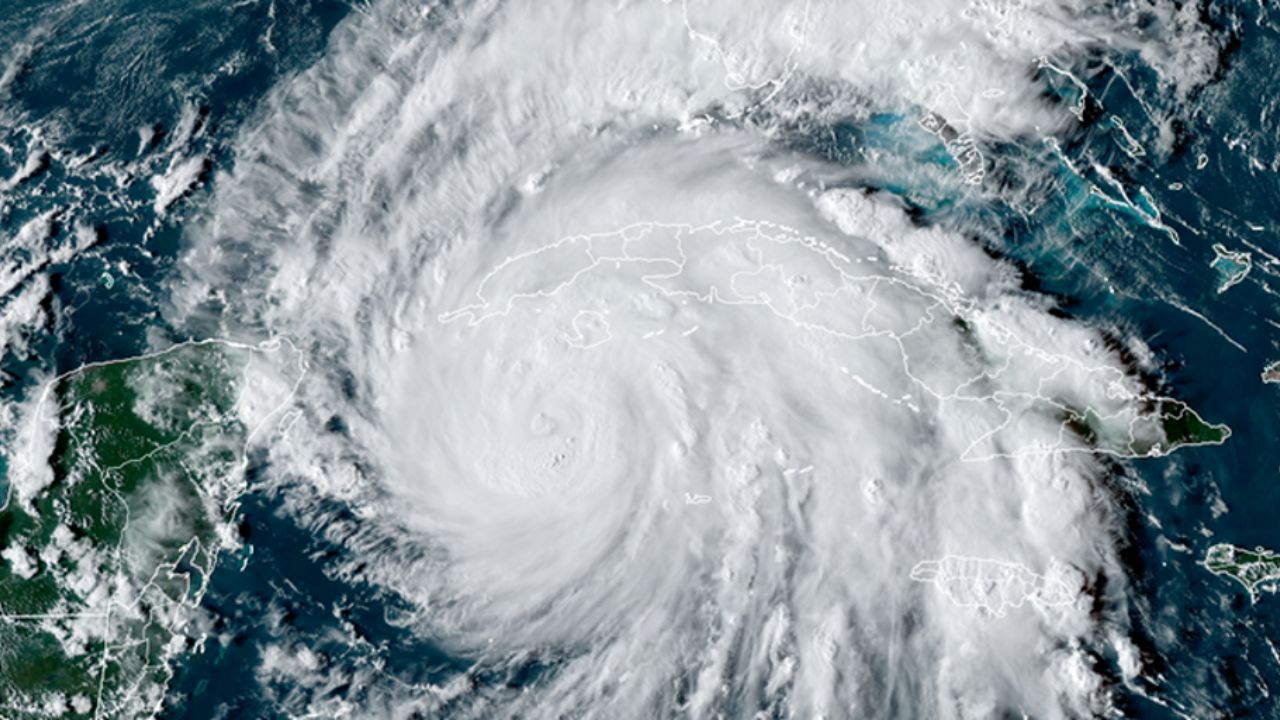
A developing El Niño pattern is expected to play a major role in shaping the 2026 Atlantic hurricane season. While overall storm numbers could trend near or slightly below historical averages, experts caution that the threat to the United States remains significant. Even in quieter seasons, a single powerful hurricane can cause catastrophic damage.
The Atlantic hurricane season officially begins on June 1 and runs through November 30. Despite projections suggesting fewer storms compared to some recent hyperactive years, preparedness remains essential from the Gulf Coast to the Northeast.
El Niño’s Influence Could Reshape the Season
El Niño develops when ocean temperatures in the eastern Pacific near the equator warm at least 0.5°C above average. This warming alters atmospheric circulation patterns across the globe.
One of the key impacts on the Atlantic basin is increased wind shear — stronger upper-level winds that can tear apart developing tropical systems. If El Niño strengthens through summer and fall as projected, it could suppress storm formation, especially during the second half of the season.
There is also a smaller probability that a “super El Niño” could form if Pacific waters warm 2°C or more above average. In such a scenario, late-season activity during October and November could be sharply reduced.
However, recent history shows that El Niño does not guarantee a quiet season. In 2023, despite El Niño conditions, the Atlantic produced 20 named storms due to exceptionally warm sea surface temperatures. For 2026, Atlantic waters are expected to remain above average, though not as extreme as in 2023.
Storm Forecast: Slightly Below Average, Not Risk-Free
Current projections call for:
- 11 to 16 named storms
- 4 to 7 hurricanes
- 2 to 4 major hurricanes (Category 3 or higher)
- 3 to 5 direct impacts on the United States
For comparison, the long-term average is:
- 14 named storms
- 7 hurricanes
- 3 major hurricanes
A direct impact does not require a hurricane to make landfall. It includes tropical-storm-force winds reaching land, heavy flooding rains from nearby systems, or coastal storm surge of at least two feet.
Even seasons with modest storm counts can become infamous. The 1992 season produced only seven named storms, yet Hurricane Andrew became one of the most destructive hurricanes in U.S. history.
The message remains clear: storm count does not equal impact level.
Rapid Intensification Remains a Major Concern
One of the biggest risks in 2026 is rapid intensification — when storms strengthen dramatically in a short period.
The Atlantic Ocean currently holds significant ocean heat content, meaning warm water extends not just at the surface but deep below. This deep reservoir of heat can fuel explosive storm growth.
In recent years, multiple hurricanes have intensified rapidly just before landfall, leaving coastal communities with limited time to prepare. With ocean temperatures still well above historical averages, this threat continues into 2026.
Rapid intensification can transform a modest tropical storm into a major hurricane within 24 to 48 hours — a dangerous scenario for emergency management.
Highest-Risk Areas for 2026
Based on projected atmospheric patterns and comparisons to similar years such as 2009, 2014, 2018, and 2023, the regions facing the greatest threat of direct impacts include:
- Northern Gulf Coast
- Northeastern Gulf Coast
- The Carolinas
While Texas currently appears to have a comparatively lower risk profile this season, history shows that even low-risk areas can still be struck. Weather patterns can shift quickly, and a single storm track can change everything.
Additionally, coastal impacts can occur without landfall. Offshore hurricanes can generate dangerous surf, coastal erosion, flooding, and storm surge.
Early-Season Development Possible
Forecasters are closely monitoring conditions before and shortly after June 1. Warm waters in the Gulf of Mexico, western Caribbean, and western Atlantic could support early-season storm formation.
Early-season systems often develop close to land through a process sometimes called “homegrown development.” This occurs when a stalled front or lingering disturbance taps into warm waters and gradually organizes.
Because these storms form near the coastline, they allow less preparation time for residents and emergency officials.
Other Key Factors to Watch
In addition to El Niño, several other atmospheric elements could influence the season:
Bermuda High Position:
If positioned farther south and east, more storms may curve away from the U.S. East Coast. If it shifts westward, landfall risk increases.
Saharan Dust:
Dry air and dust moving off Africa can suppress storm development in the central Atlantic.
African Tropical Waves:
The strength and frequency of these waves often determine how active the peak of the season becomes.
Preparedness Is Still Essential
Even if the season finishes slightly below average in total storm count, the United States could still experience major landfalls.
History proves that it only takes one hurricane to define an entire year.
Residents along the Gulf Coast, Southeast, and Atlantic seaboard should:
- Review evacuation plans
- Check emergency supply kits
- Monitor forecasts regularly
- Prepare homes before storms threaten
Waiting until a hurricane warning is issued may leave too little time to act.
Final Outlook for 2026
• El Niño is expected to develop and strengthen, which may limit overall storm activity.
• 11–16 named storms are projected, including up to 7 hurricanes.
• 2–4 storms could reach major hurricane status.
• 3–5 systems may directly impact the United States.
• Rapid intensification remains a serious threat due to warm ocean waters.
• The northern Gulf Coast and Carolinas face the highest risk zones.
While forecasts suggest a near- to below-average season, the potential for destructive hurricanes remains very real. The 2026 hurricane season may not break records in storm count — but it could still deliver powerful, fast-intensifying systems capable of significant damage.
Preparation remains the most effective defense.