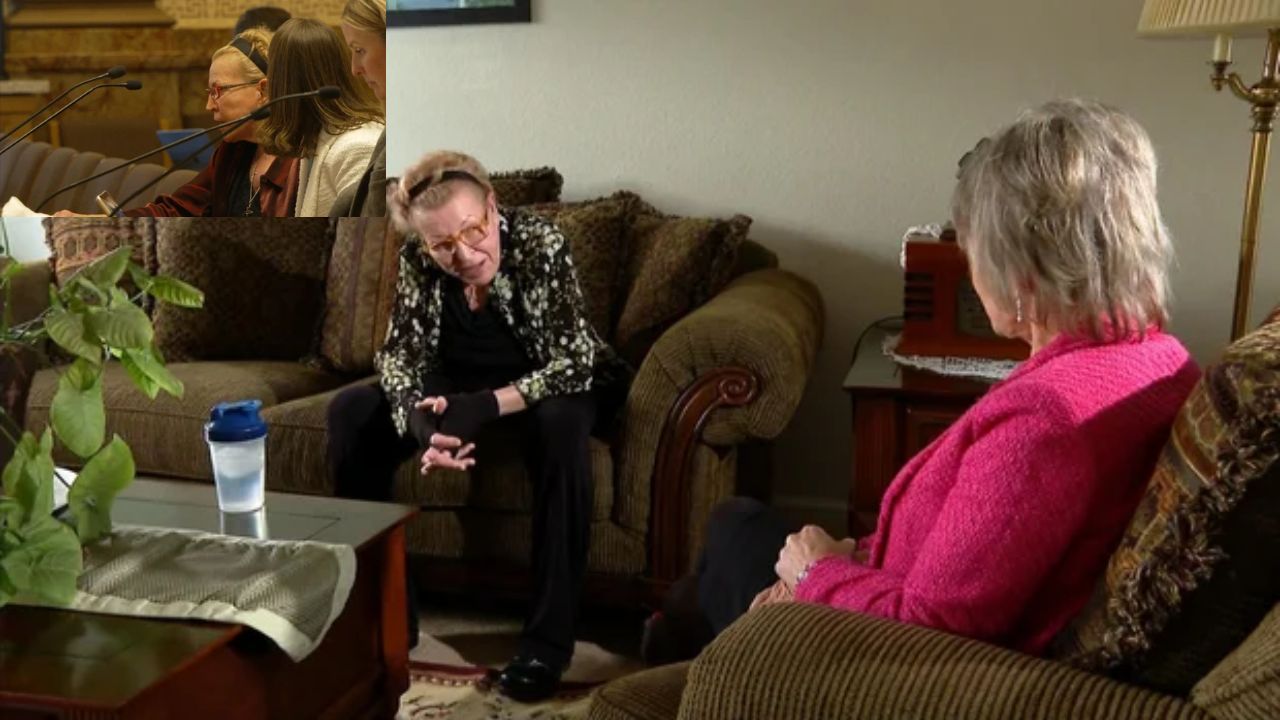

Modesto, California – A proposed update to Modesto City Schools’ mental health services policy has sparked strong reactions from parents, many of whom raised concerns about when and how families would be notified if students access counseling on campus. The debate unfolded during a recent school board meeting as trustees reviewed the policy during its first reading.
The proposed changes focus on aligning district practices with current California law, but critics say the language could reduce parental involvement in sensitive mental health decisions affecting minors.
Incident Overview
The updated policy outlines how Modesto City Schools provides mental health education, training, and on-campus services for students. One of the most controversial provisions allows students aged 12 and older to consent to certain mental health counseling services without parental consent under specific conditions.
According to the proposal, a licensed mental health professional must determine that the student is mature enough to consent and that involving a parent or guardian would be inappropriate in that situation.
Timeline of Events
The policy was presented as a first reading, meaning no final vote was scheduled during the meeting. After the presentation, the board opened the floor for public comment, where multiple parents expressed opposition and urged trustees to reconsider the wording before moving forward.
Board members then discussed the feedback and acknowledged that revisions would likely be necessary before the policy returns for approval at a future meeting.
Details From District Officials
District administrators stressed that the proposal does not grant new authority to schools. Instead, they said it updates district policy to comply with California legislation passed in 2024, which expanded minors’ rights to access certain mental health services without meeting a strict danger or abuse threshold.
Officials cautioned that adding mandatory parental notification language could place the district in conflict with state law.
Parent Concerns and Public Comment
During public comment, several parents voiced fears that the policy could marginalize families from critical mental health decisions involving their children.
“It suggests you can leave the parent out,” one speaker told the board.
Another parent emphasized parental authority, stating:
“It really needs to be the parents that are in charge.”
While some acknowledged the intent to support student mental health, many said their primary concern was communication, not access to services. Parents repeatedly asked whether they would be informed if their child sought counseling at school.
Key Facts at a Glance
- Policy applies to: Students 12 years and older
- Consent allowed without parents: In limited cases, as determined by a licensed mental health professional
- Grade levels affected: Grades 6–12
- Legal basis: California state law updated in 2024
- Current status: First reading only, revisions expected before approval
Additional Context: Mental Health Resources on Campus
The proposed policy also requires middle and high schools to display mental health resource information on campus. This includes warning signs of mental health crises, coping strategies, and crisis hotline information.
District leaders said these measures are designed to improve early awareness and ensure students know where to seek help, particularly as youth mental health concerns continue to rise statewide.
Board Discussion and Next Steps
Following public input, board members debated whether the policy language could be revised to more clearly acknowledge parental involvement without violating state law. Administrators reiterated that any changes would need careful legal review.
Trustees ultimately agreed the policy should be reworked before being brought back for a vote, signaling that parental concerns may influence the final version.
Conclusion
The discussion highlighted a growing tension between student privacy rights and parental involvement in school-based mental health care. As Modesto City Schools revises its proposal, the challenge will be balancing legal compliance with transparency and trust between schools and families.
Parents and community members are encouraged to stay engaged as the policy moves forward. Share your experiences in the comments below.