Baltimore, Maryland – Maryland pet owners who say they were deceived by an unlicensed pet cremation business are now pushing lawmakers to tighten oversight of the industry. Victims testified before the Maryland House of Delegates on Wednesday in support of new legislation aimed at preventing similar incidents in the future.
The proposed measure, known as House Bill 564, would introduce state registration requirements and consumer protections for pet cremation providers following a disturbing case in Baltimore County.
Incident Overview
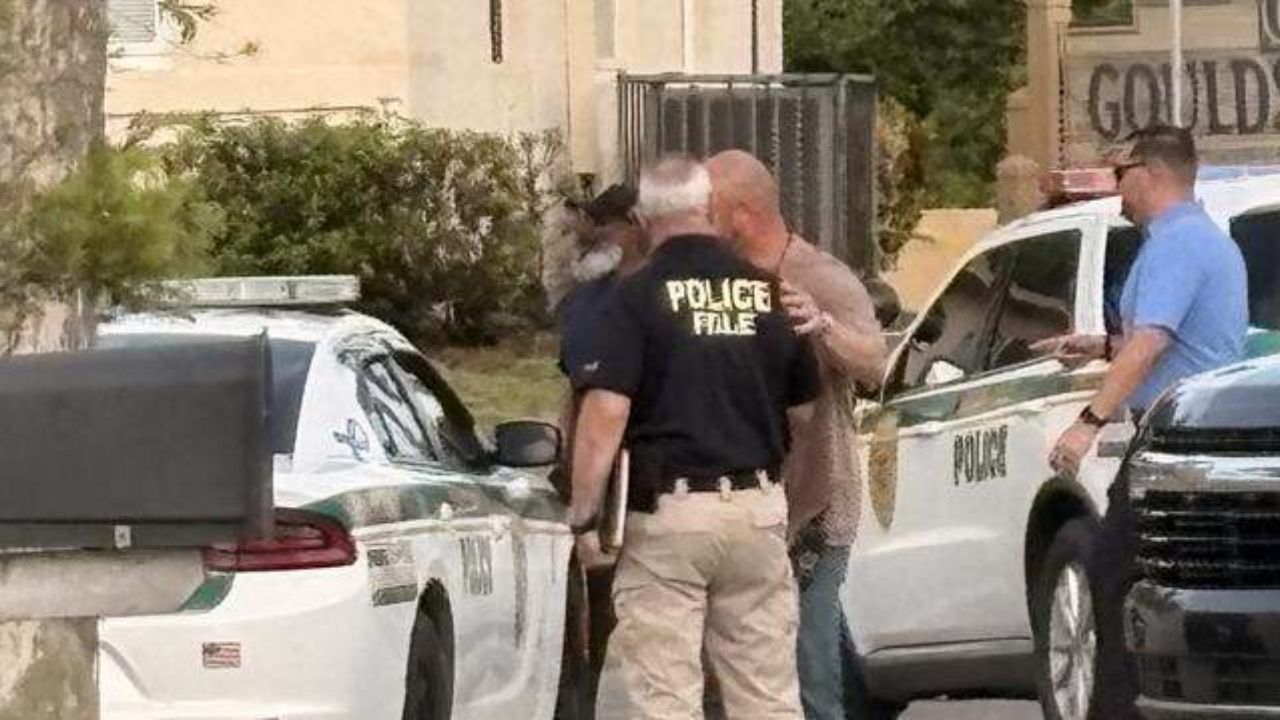
The renewed push for regulation comes after Rodney Ward pleaded guilty Tuesday to operating an unlicensed pet crematorium through a business called Loving Care Pet Funeral and Cremation Services in Catonsville. Prosecutors said Ward accepted money from grieving pet owners for cremation services but failed to properly handle the animals’ remains.
Instead of returning legitimate ashes, investigators allege that pet owners were given substances such as concrete powder and sand. Authorities later discovered improperly stored animal remains, raising concerns about both consumer fraud and dignity in handling deceased pets.
Ward and his wife, Yalanda Ward, were both charged in connection with the case. While Rodney Ward has entered a guilty plea, Yalanda Ward’s trial has been postponed until May 6.
What Is House Bill 564?
Introduced by Maryland Delegate Nick Allen to the House Health and Government Operations Committee, House Bill 564 seeks to establish formal consumer protections for pet cremation services across the state.
If passed, the bill would require pet cremation businesses to:
- Register with the state
- Maintain detailed operational records
- Provide written documentation specifying the type of cremation requested
- Include identification information for each animal
- Store animal remains in a dignified and respectful manner
The legislation would also grant enforcement authority to the Maryland Attorney General’s Office, allowing the state to investigate complaints and impose penalties when necessary.
“I was asked by constituents to do something about this, and I know for a lot of people, their pets are members of their family,” Allen said. “I can’t imagine being in this situation and how devastating this would be.”
If approved, the bill would take effect on October 1, 2026.
Timeline of the Investigation
The case began gaining public attention in April, when investigators discovered the remains of 38 animals in the back of a hearse in West Baltimore. Court documents revealed that nearly $13,000 had been collected from more than 50 victims seeking cremation services.
Authorities determined that many of the animals had not been cremated as promised. Instead, the remains were improperly stored or discarded.
Rodney Ward now faces up to 25 years in prison on charges of theft and malicious destruction of property. His sentencing is scheduled for March 31.
Victims Speak Out
For many families, the emotional toll has been overwhelming. Several victims testified before lawmakers, describing the shock and trauma of learning how their beloved pets were treated.
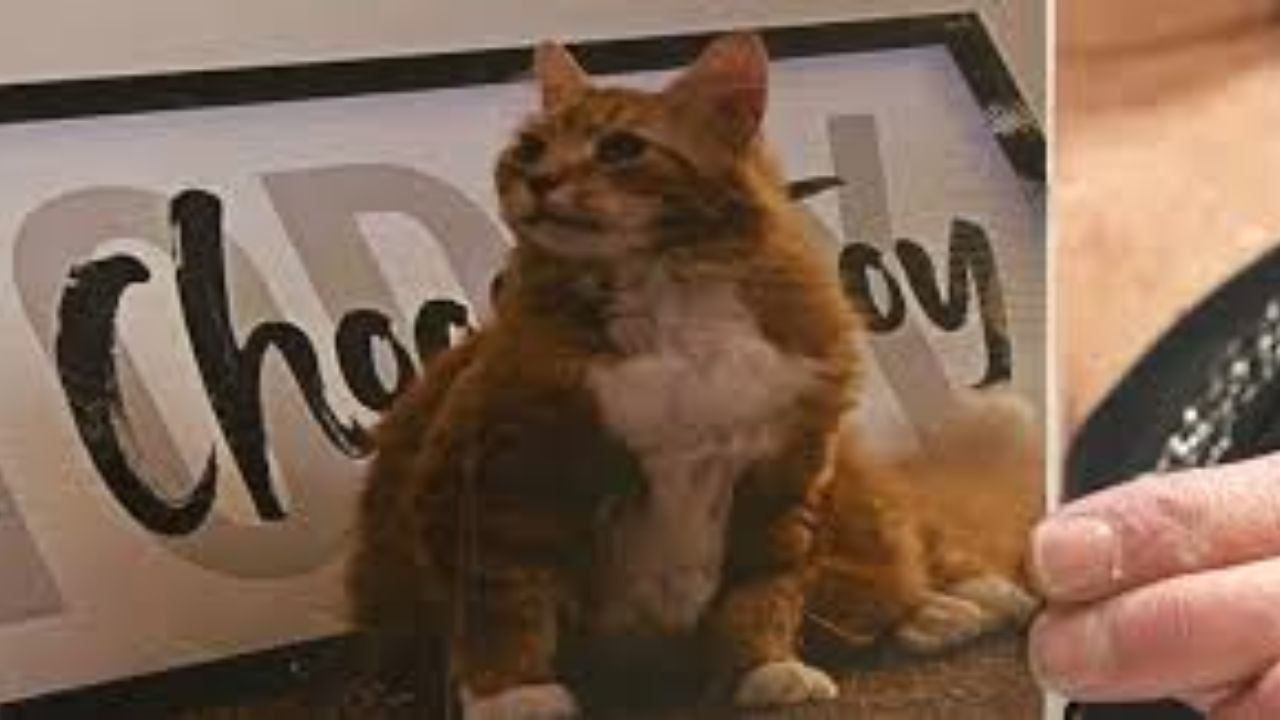
Joy Schoonover, whose cat was among those discovered, addressed legislators during the hearing.
“No other pet owner should have to learn from a police search that their beloved companion was treated like trash,” Schoonover said. “Garfield’s remains were found by police, stuffed in the back of a hearse, where he was one of 38 pets discovered during their search.”
Another victim, Nikki Pickens, emphasized the lack of regulation in the industry.
“The crematory business, there is protection for the humans, but there are none for the pets,” Pickens said. “So nobody else is going to have to go through this trauma and this pain and have to deal with this.”
Victims say they were stunned to discover that pet cremation services are not subject to the same oversight standards as human funeral homes in Maryland.
Broader Concerns About Industry Oversight
The case has sparked a broader discussion about consumer protections in the pet aftercare industry. As pet ownership continues to rise nationwide, so does the demand for cremation services. However, regulations vary widely from state to state.
Without licensing requirements or standardized record-keeping rules, families may have little recourse if services are mishandled. Supporters of House Bill 564 argue that clear documentation and state oversight would help restore trust and accountability.
Lawmakers reviewing the proposal say the bill is designed not only to punish wrongdoing but to prevent it from happening again.
Conclusion
The Baltimore County case has left dozens of families grieving not only the loss of their pets but also the betrayal of trust during a vulnerable moment. House Bill 564 now represents an effort to strengthen consumer safeguards and ensure dignified treatment of animals after death.
As the legislative process continues and sentencing approaches, many Maryland residents say they hope the tragedy will lead to lasting reform.
If you or someone you know has experienced issues with pet cremation services, consider contacting local authorities or consumer protection agencies. Share your experiences in the comments below.