Dallas police have released body camera footage and new details surrounding last week’s fatal SWAT shooting of a man later identified as 39-year-old Diamon-Maziarre Robinson, who also used the name “Mike King.” Authorities confirmed that Robinson had previously worked on U.S. Representative Jasmine Crockett’s security team.
Body Camera Footage Shows Final Moments
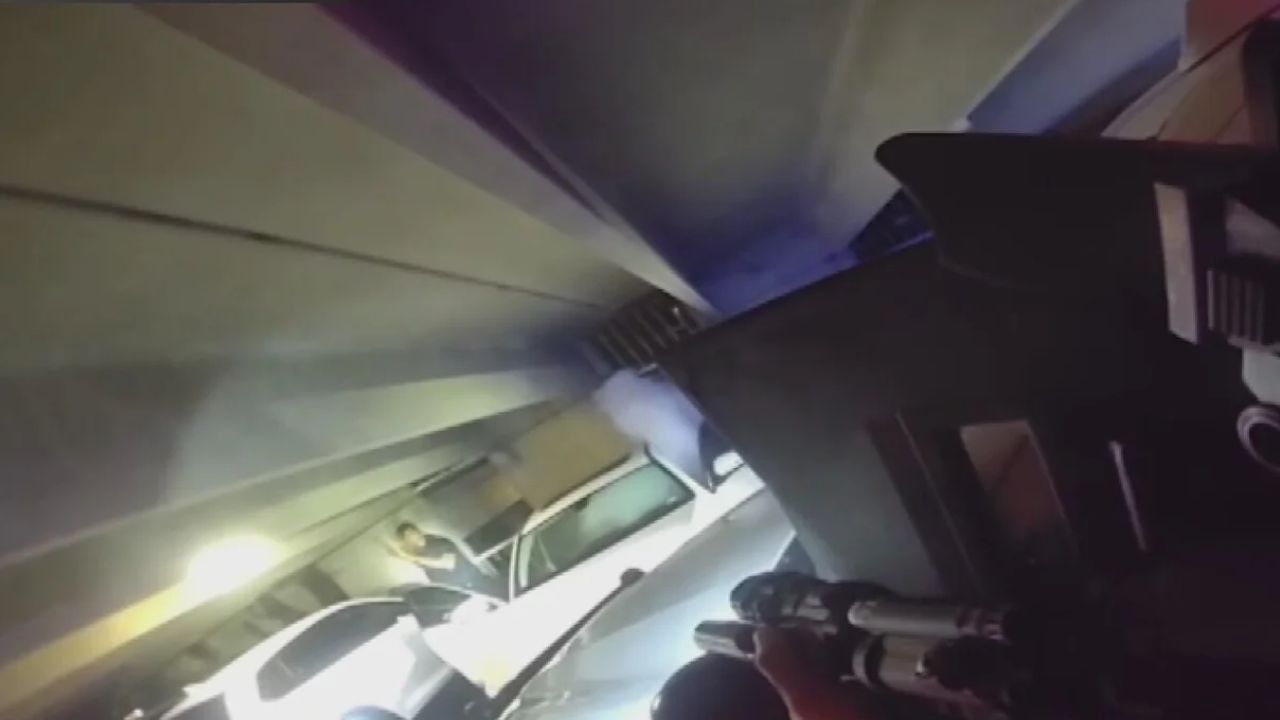
According to police, officers began pursuing Robinson in downtown Dallas after receiving information related to a suspicious vehicle. The chase ended inside a hospital parking garage.
Body camera videos presented by investigators show officers repeatedly ordering Robinson to surrender. After a prolonged standoff, Robinson exited the vehicle and allegedly pointed a firearm at officers. Multiple shots were fired, and Robinson was pronounced dead at the scene.
Dallas police stated that, based on the footage and preliminary findings, officers believed the use of force was justified. However, investigators emphasized that the case involves additional layers beyond the shooting itself.
Investigation Began with Stolen License Plates
The sequence of events reportedly began on February 17, when Irving police issued a bulletin about a black GMC Yukon displaying stolen military license plates. As the investigation progressed, authorities uncovered what they described as an elaborate pattern of deception involving multiple aliases.
Officials said Robinson had been operating under different identities for years, making it difficult to track his background. Through intelligence work and technology-assisted investigation, law enforcement eventually confirmed his true identity.
Weapons, Fake Credentials, and Active Warrants
During the investigation following the shooting, officers recovered 11 firearms. Police said the weapon Robinson allegedly pointed at officers had been reported stolen. They also found fake uniforms and counterfeit identification badges.
Investigators further stated that Robinson had claimed to represent a dignitary protection agency that authorities later determined did not exist. The GMC Yukon he was driving while escorting the congresswoman reportedly had flashing red and blue emergency lights installed—equipment that would be illegal for unauthorized vehicles.
Police confirmed that Robinson had multiple prior felony convictions related to theft and auto theft between 2009 and 2017. At the time of the incident, he also had active warrants for his arrest.
Officials described him as someone who had carefully maintained his alternate identity for years. Law enforcement leaders acknowledged that unraveling his background required coordinated intelligence efforts.
Security Vendor Under Scrutiny
Authorities clarified that the security business Robinson operated was registered with the state, which had allowed off-duty officers to accept assignments through it. However, the revelations about his criminal history and alleged misrepresentations have raised serious questions about security screening procedures.
Representative Jasmine Crockett addressed the situation in a public statement following confirmation of Robinson’s role on her security team. Her office said that all required protocols were followed when contracting additional security services and that the vendor had previously worked with other local entities and law enforcement agencies, including federal protective services.
The statement expressed concern that someone could bypass vetting processes in a role as sensitive as congressional security, highlighting what were described as systemic vulnerabilities. The office also noted the heightened risks faced by members of Congress who receive credible threats.
Ongoing Questions
While Dallas police maintain that the shooting itself was justified based on the evidence reviewed so far, the broader circumstances—including how Robinson secured high-level security assignments despite his background—continue to draw scrutiny.
The investigation remains active as authorities examine the full scope of Robinson’s activities, his network of aliases, and any potential gaps in oversight that allowed him to operate undetected for years.