
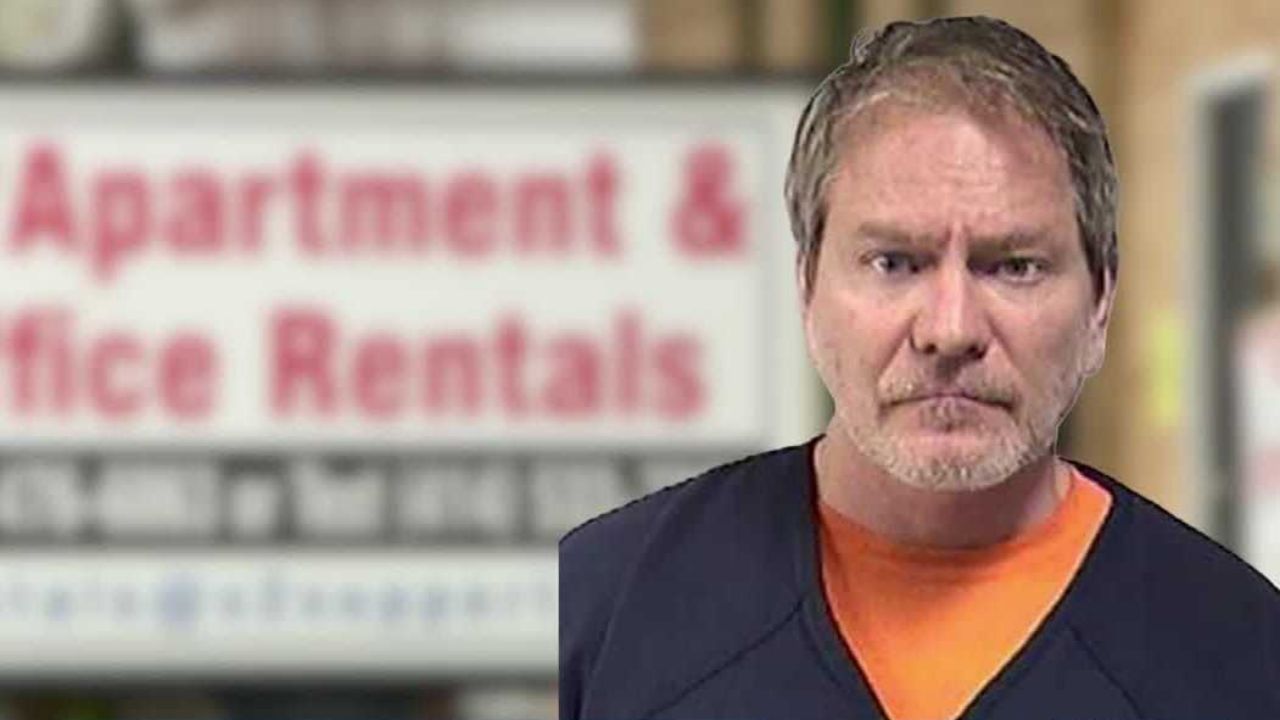
Milwaukee, Wisconsin: Federal authorities have arrested a local landlord accused of running a large-scale drug trafficking operation disguised within his rental business, according to a newly unsealed criminal complaint.
The case centers on 52-year-old Samuel Stair, owner of S2 Properties, who was taken into custody on Wednesday. Investigators allege that what appeared to be a regular property rental business was actually being used to support and profit from illegal drug activities across Milwaukee’s south side.
What Happened
Federal agents conducted searches at multiple locations, including properties linked to S2 Properties and its business site near 29th Street and Lincoln Avenue. Shortly after, a 176-page criminal complaint was unsealed, detailing a wide range of serious charges.
Stair faces allegations including conspiracy to distribute controlled substances, maintaining drug trafficking locations, and money laundering. Authorities say the investigation uncovered a pattern of using rental properties not just for housing, but as operational hubs for drug storage and distribution.
How the Operation Allegedly Worked
According to federal investigators, Stair’s business model allegedly involved renting properties directly to drug traffickers. These locations were then used as so-called “stash houses” to store drugs and “trap houses” for selling them.
The complaint further claims that in some cases, individuals involved in drug trafficking were also tasked with managing other rental units. Their role allegedly included finding tenants struggling with addiction—creating a system where rent payments could be enforced through control over drug access.
Authorities also allege that some workers within the company acted as “security,” which investigators believe was a cover for carrying out forced and illegal evictions.
Arrests and Legal Status
Alongside Stair, 17 other individuals have been charged in connection with the case. Among them is Jeanette Lopez, who authorities say worked for Stair. The full list includes multiple individuals allegedly linked to the broader operation.
Stair is currently being held in Kenosha County Jail under a federal hold. As of now, no attorney has been officially listed in court records. A detention hearing is scheduled for Monday, where further legal proceedings are expected to begin.
Community Reaction and Concerns
The case has sparked strong reactions from local advocacy groups and city officials. Community organization Common Ground, which has been studying crime trends on Milwaukee’s south side, says the charges reflect long-standing concerns raised by residents.
Organizers say they have heard repeated complaints about drug activity and unsafe housing conditions in the area. In response, the group plans to release a community safety plan aimed at improving coordination between residents, law enforcement, and city services.
City Officials Push for Action
Milwaukee leaders are also taking steps to address the broader issue. Common Council President José Pérez has introduced new measures to examine how the city handles problematic landlords and nuisance properties.
Officials are expected to review data on drug-related crimes, assess enforcement strategies, and explore whether current systems are effective in preventing such large-scale operations from going unnoticed.
Pérez emphasized the need for stronger, proactive measures, stating that relying solely on resident complaints may not be enough to prevent similar cases in the future.
What Happens Next
As the investigation continues, authorities are working to determine the full scope of the alleged network and its impact on the community. More details are expected to emerge following upcoming court hearings.
For now, the case highlights growing concerns around housing misuse, organized crime, and the challenges cities face in identifying and stopping such operations before they expand.