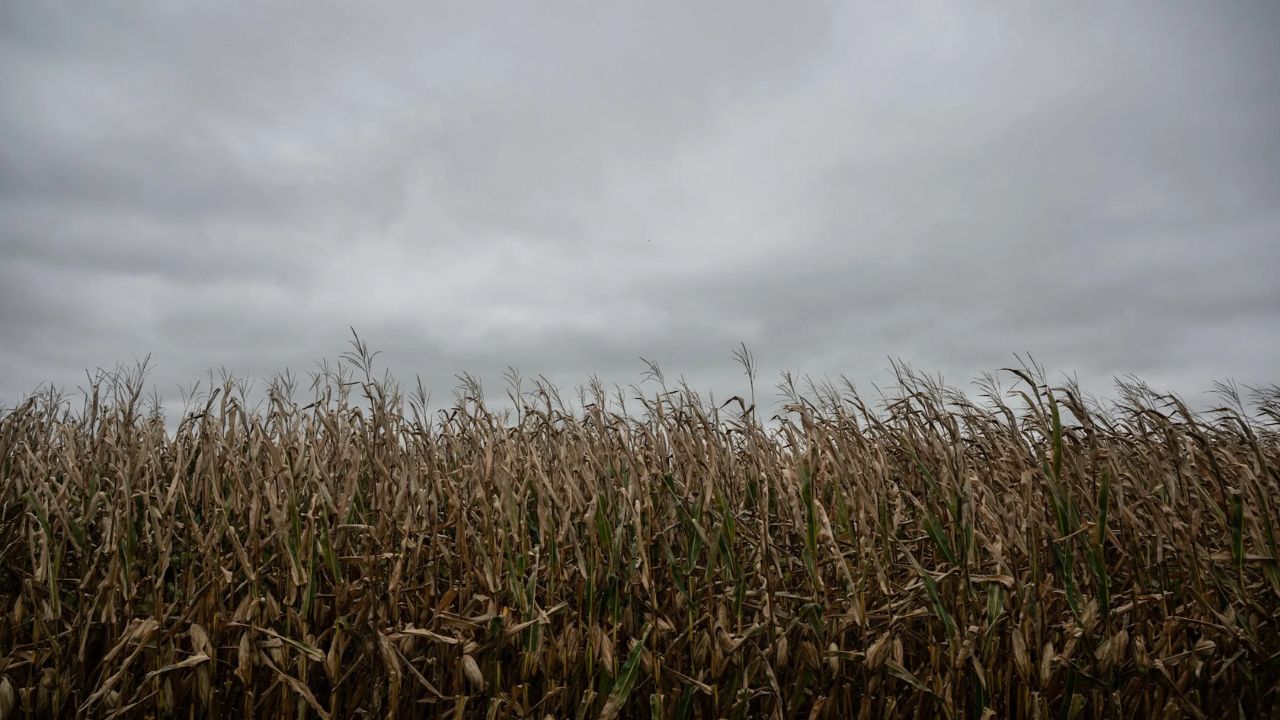
New Jersey Governor Mikie Sherrill has declared a state of emergency across all 21 counties after a brutal late-April freeze wiped out an estimated $300 million worth of crops — leaving some farmers with nothing left to harvest.
The damage happened fast. Between April 19 and 22, temperatures plunged into the 20s°F, catching crops at the worst possible moment.
Why the timing made it so devastating
Weeks before the freeze, an unusually warm spell had pushed temperatures above 90°F in parts of the state. That heat tricked fruit trees and other crops into flowering far earlier than normal — a critical development stage when plants are at their most vulnerable.
Then the freeze hit. And it hit hard.
Some farmers are now reporting 100% losses on certain crops, with no way to recover what was destroyed in those three days.
What the state of emergency means
Governor Sherrill’s executive order is designed to fast-track relief for affected growers and shield local economies from the fallout.
“The April freeze caused serious damage to our growers, and those losses demand decisive action,” Sherrill said. “This executive order mobilizes a whole-of-government recovery effort out of Trenton, cutting through bureaucracy and accelerating results for impacted farmers and families.”
The declaration covers all 21 New Jersey counties and comes after official damage assessments confirmed the scale of the agricultural destruction.
The bigger picture
New Jersey is one of the most agriculturally productive states on the East Coast, known for its blueberries, peaches, tomatoes, and apples. A $300 million loss doesn’t just hurt farmers — it sends ripple effects through local supply chains, grocery prices, and rural communities that depend on farming income.
State officials are still assessing the full extent of the damage, and additional relief measures are expected to follow.