The long stretch of dry, stressful weather across the southern United States may finally be easing. From parts of Texas to Florida, a new weather pattern is expected to bring several days of steady rainfall, offering much-needed relief to drought-stricken communities and wildfire-prone areas.
The shift comes after weeks of below-normal rainfall that left soils dry, water levels low, and fire risks elevated across the South and Southeast. While experts say this rain won’t completely end the drought, it is a positive and timely development.
What’s Happening Now
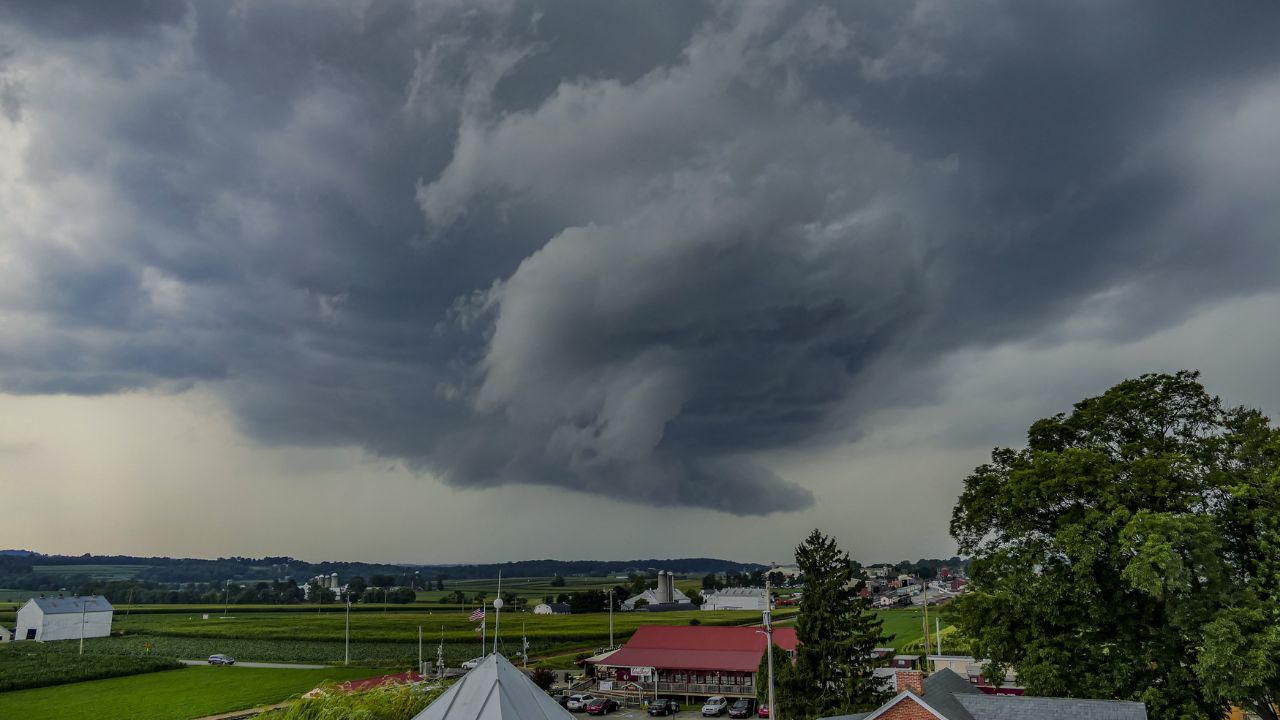
Meteorologists point to an active subtropical jet stream combined with a weak incoming storm system as the key drivers behind this change. Together, these systems are expected to push moisture across a wide stretch of the region over several days.
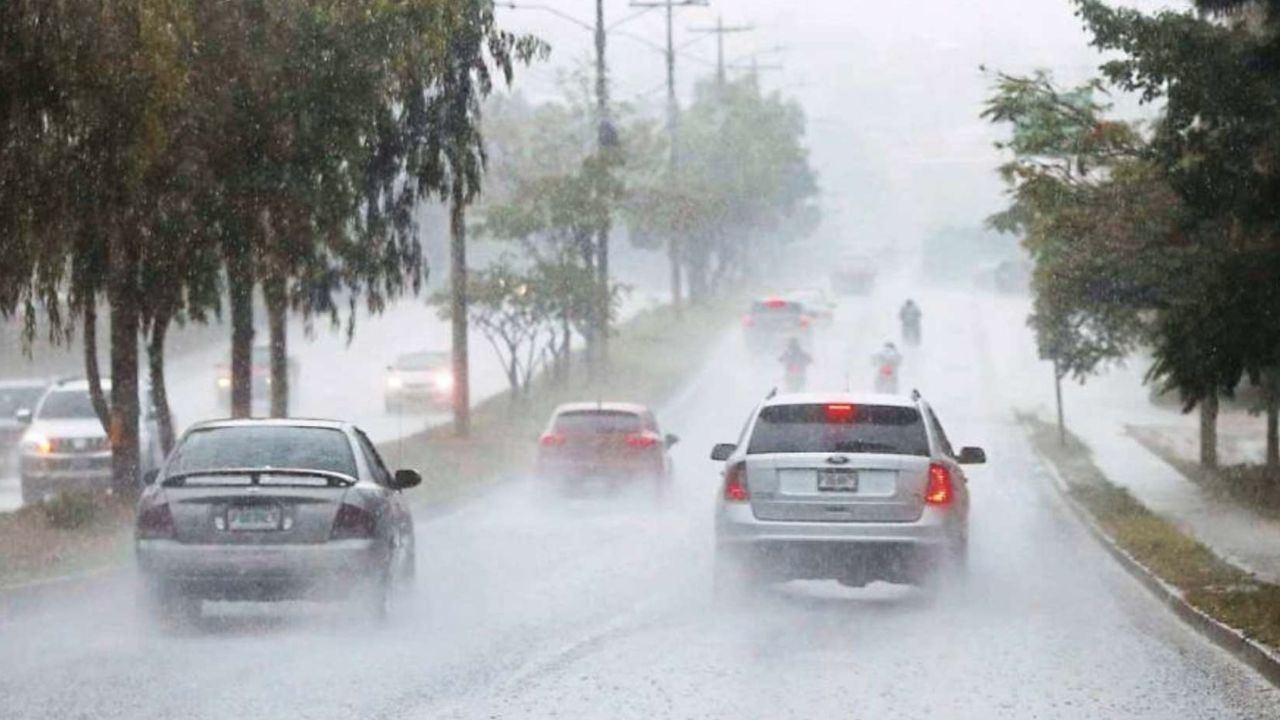
Instead of intense downpours, the forecast calls for light to moderate rain spread out over time. This type of rainfall is especially helpful in drought conditions because it allows the ground to absorb moisture more effectively, reducing runoff and minimizing flood risk.
Day-by-Day Rain Pattern
The rainfall is expected to move gradually across the region through the end of the week and into the weekend:
- Thursday and Friday: Rain begins spreading across eastern Texas and parts of Louisiana and Mississippi.
- Saturday: Showers expand further east into Alabama and neighboring areas.
- Sunday: Florida finally begins to see rainfall, marking a significant change after prolonged dryness.
This slow progression increases the chances that more areas will receive meaningful moisture rather than isolated bursts of heavy rain.
How Much Rain Is Expected
Rainfall totals will vary depending on location, but some areas are likely to see notable accumulation:
- Eastern Texas to Alabama: Around 2 inches of rain is expected, with some spots receiving even higher amounts.
- Florida: Most areas are expected to receive less than 1 inch, though localized pockets could see higher totals.
Even moderate amounts like these can make a big difference, especially when spread over several days.
Recent Rainfall Shows the Impact
Some locations have already seen how impactful even a single round of rain can be:
- In Birmingham, Alabama, recent rainfall nearly doubled the city’s total for April, though it still remains below average.
- Tupelo, Mississippi, recorded over 3 inches of rain in one day, setting a daily record and surpassing its total rainfall for the entire month.
These examples highlight how dry conditions have been—and how meaningful even short periods of rain can be.
Why This Rain Matters
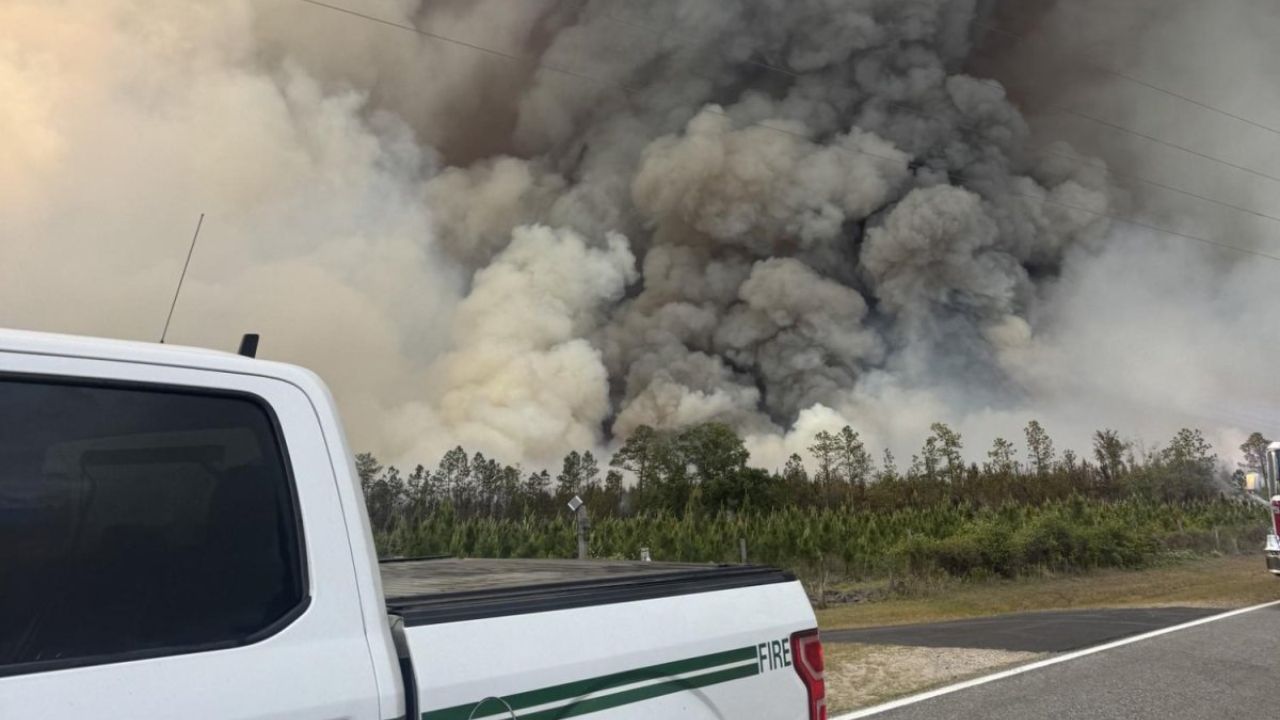
The South and Southeast have been dealing with widespread drought conditions affecting nearly every state in the region. In many areas, dry soils have not only impacted agriculture and water supply but also increased the risk of wildfires.
Florida, in particular, is experiencing one of its worst droughts in decades. Across states like Georgia, the Carolinas, Tennessee, and Alabama, many cities are seeing one of their driest spring seasons on record.
This incoming rain offers several benefits:
- Helps reduce wildfire risk
- Improves soil moisture for farming and gardening
- Supports water reservoirs and local ecosystems
- Provides temporary relief from extreme dryness
What Comes Next
There may be more encouraging news ahead. Forecast outlooks suggest that above-average rainfall could continue across parts of the Deep South and Florida into next week.
However, experts caution that drought recovery takes time. It will likely require multiple rounds of rainfall over weeks or even months to fully restore normal conditions.
The Bottom Line
While this week’s rain won’t completely solve the drought, it is a much-needed step in the right direction. For many residents across the South and Southeast, even a few days of steady rainfall can bring relief—both for the land and for communities that have been waiting for a break from the dry spell.
Authorities and weather experts will continue monitoring conditions as the system moves through the region.