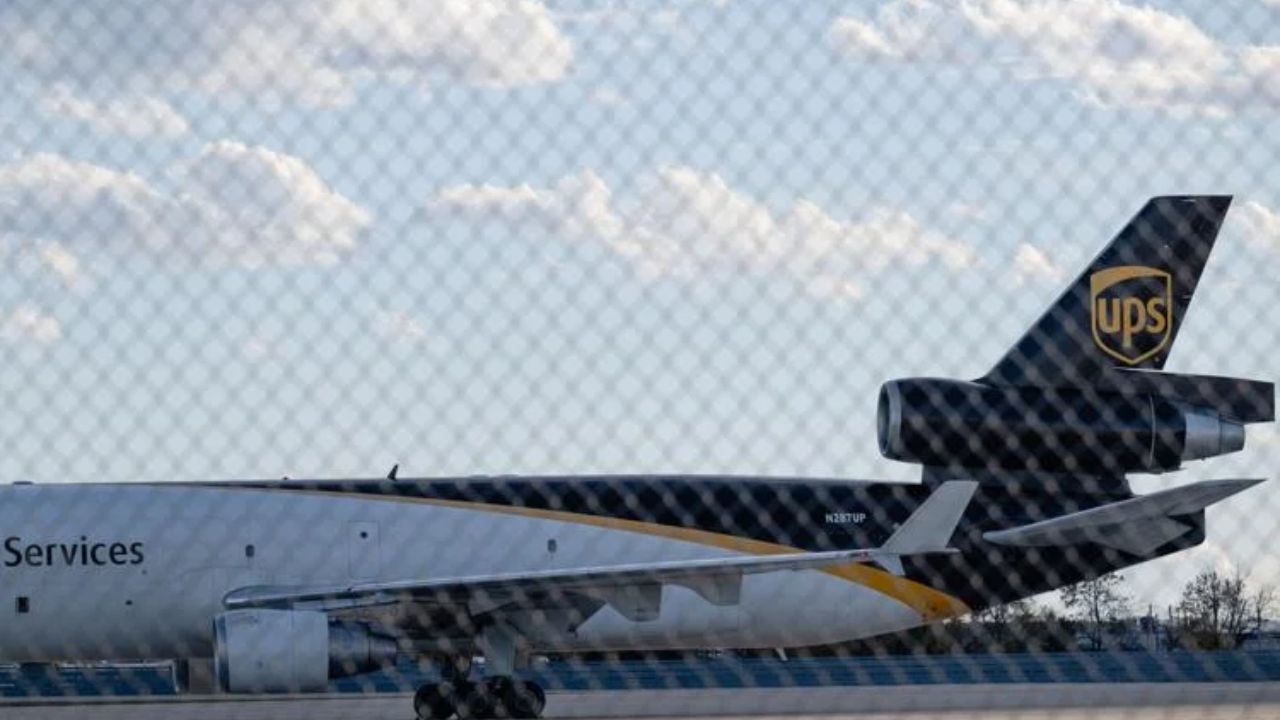
Louisville, Kentucky – UPS has officially retired its entire fleet of McDonnell Douglas MD-11 cargo aircraft, a move announced just months after a catastrophic crash near Louisville that claimed 15 lives. The decision marks a significant shift in the company’s aviation strategy as federal investigators continue examining the causes of the deadly incident.
Incident Overview
The crash occurred on November 4 near Muhammad Ali International Airport in Louisville, when a UPS-operated MD-11 cargo plane went down shortly after takeoff. The aircraft was carrying a three-person flight crew, all of whom were killed, along with 12 people on the ground in the surrounding industrial area.
The plane reportedly climbed only about 30 feet (9 meters) before crashing after its left engine detached from the wing, triggering a massive explosion and fire.
Timeline of Events
Following the crash, the Federal Aviation Administration (FAA) grounded all MD-11 aircraft nationwide as a precautionary measure. The grounding affected not only UPS but also other cargo operators using the same aircraft model.
On Tuesday, during UPS’s fourth-quarter earnings call, CEO Carol Tomé confirmed that the company would not wait for further regulatory clearance.
“We decided to accelerate our plans and retire all MD-11 aircraft in our fleet,” Tomé said.
Details From UPS Leadership
At the time of the crash, MD-11 aircraft made up approximately 9% of the UPS air fleet. Retiring the planes resulted in an after-tax charge of $137 million, according to company disclosures.
UPS now plans to rebuild capacity by adding 18 new Boeing 767 cargo aircraft over the next 15 months. During the most recent peak holiday season, the company relied on emergency measures, including leasing additional aircraft, increasing ground transportation, and repositioning planes from other regions to maintain service levels.
“I am incredibly proud of our team at Worldport and how they responded to this accident,” Tomé said. “I would also like to thank the Louisville community, as well as our business and industry partners, for their outpouring of support.”
Federal Investigation and Safety Findings
The National Transportation Safety Board (NTSB) has released preliminary findings indicating that investigators discovered cracks in key engine mount components that attach the engine to the wing. These cracks were not detected during routine maintenance inspections.
According to investigators, the last inspection of the affected engine mount parts occurred in 2021, raising serious questions about long-term fatigue and inspection standards for aging cargo aircraft.
The FAA has stated that it is continuing to review “all facts and circumstances” related to the crash before determining whether MD-11 aircraft could ever be cleared to fly again.
Impact on Other Airlines
UPS is not the only carrier affected by the FAA’s grounding order. FedEx and Florida-based Western Global Airlines also had their MD-11 fleets grounded in November.
FedEx officials previously indicated they expect to return their MD-11 aircraft to service by the company’s fourth fiscal quarter, ending May 31, pending regulatory approval. Western Global Airlines did not respond to requests for comment.
Damage on the Ground
The crash caused extensive damage beyond the aircraft itself. The plane struck a Kentucky Petroleum Recycling facility, triggering smaller explosions, and also impacted Grade A Auto Parts, an auto salvage yard. Many of the people killed on the ground were employees or visitors at these nearby businesses.
The incident has had a lasting emotional and economic impact on the Louisville community, particularly in the industrial corridor surrounding the airport.
Broader Aviation Context
The MD-11, introduced in the early 1990s, has long been favored by cargo carriers for its range and payload capacity. However, the Louisville crash has intensified scrutiny over the continued use of aging wide-body aircraft, especially as newer, more fuel-efficient planes become available.
According to an Associated Press report, regulators and airlines alike are reassessing inspection protocols and fleet modernization timelines in light of the findings.
Conclusion
UPS’s decision to permanently retire its MD-11 fleet reflects a broader industry shift toward newer aircraft and heightened safety standards. As investigations continue, the Louisville crash stands as a sobering reminder of the risks associated with aging aviation infrastructure and the importance of rigorous maintenance oversight.
Call to Action
Have you or your community been affected by aviation incidents or airport safety issues? Share your experiences in the comments below.