Hilo, Hawaii – A federal judge has sentenced a Hawaii Island man to nearly six years in prison for his role in a long-running scheme that exploited Hawaii County’s affordable housing credit program, marking the first sentencing among four men convicted in the case. The scam, which spanned several years, resulted in millions of dollars in improper land and housing credits while producing no new affordable housing.
Incident Overview
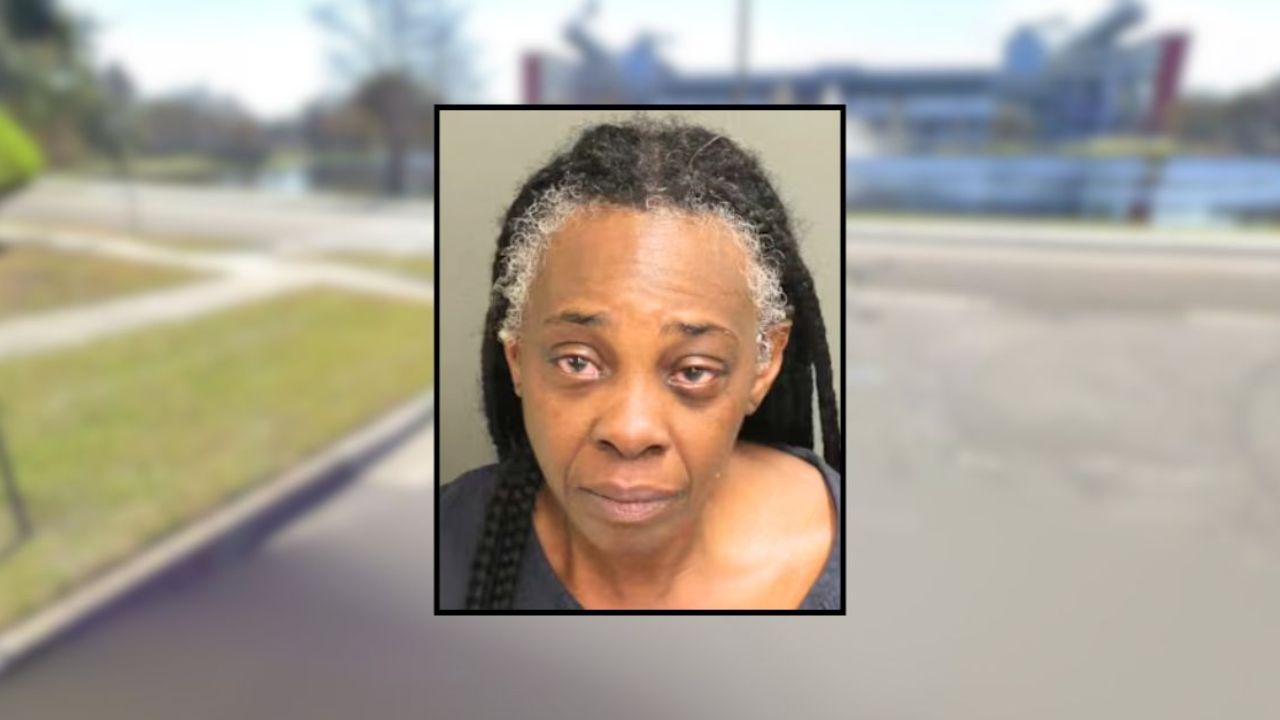
Gary Zamber, 56, was sentenced to 70 months in federal prison on Friday by U.S. District Judge Jill Otake after being convicted of multiple fraud-related charges tied to the misuse of affordable housing credits. In addition to prison time, Zamber was ordered to serve three years of supervised release, forfeit more than $124,000, and pay a $1,000 fine.
Zamber was one of four Hawaii Island men implicated in a scheme that prosecutors say undermined the purpose of a county program designed to increase affordable housing opportunities.
Timeline of Events
The fraudulent activity occurred between 2014 and 2021, during which time the defendants allegedly manipulated the affordable housing credits system to generate personal profit. The investigation eventually led to federal charges, and in June 2025, Zamber and two co-defendants were found guilty following a jury trial.
The sentencing handed down this week represents the first punishment issued in the case, with additional hearings scheduled for the remaining defendants.
Details From Federal Prosecutors
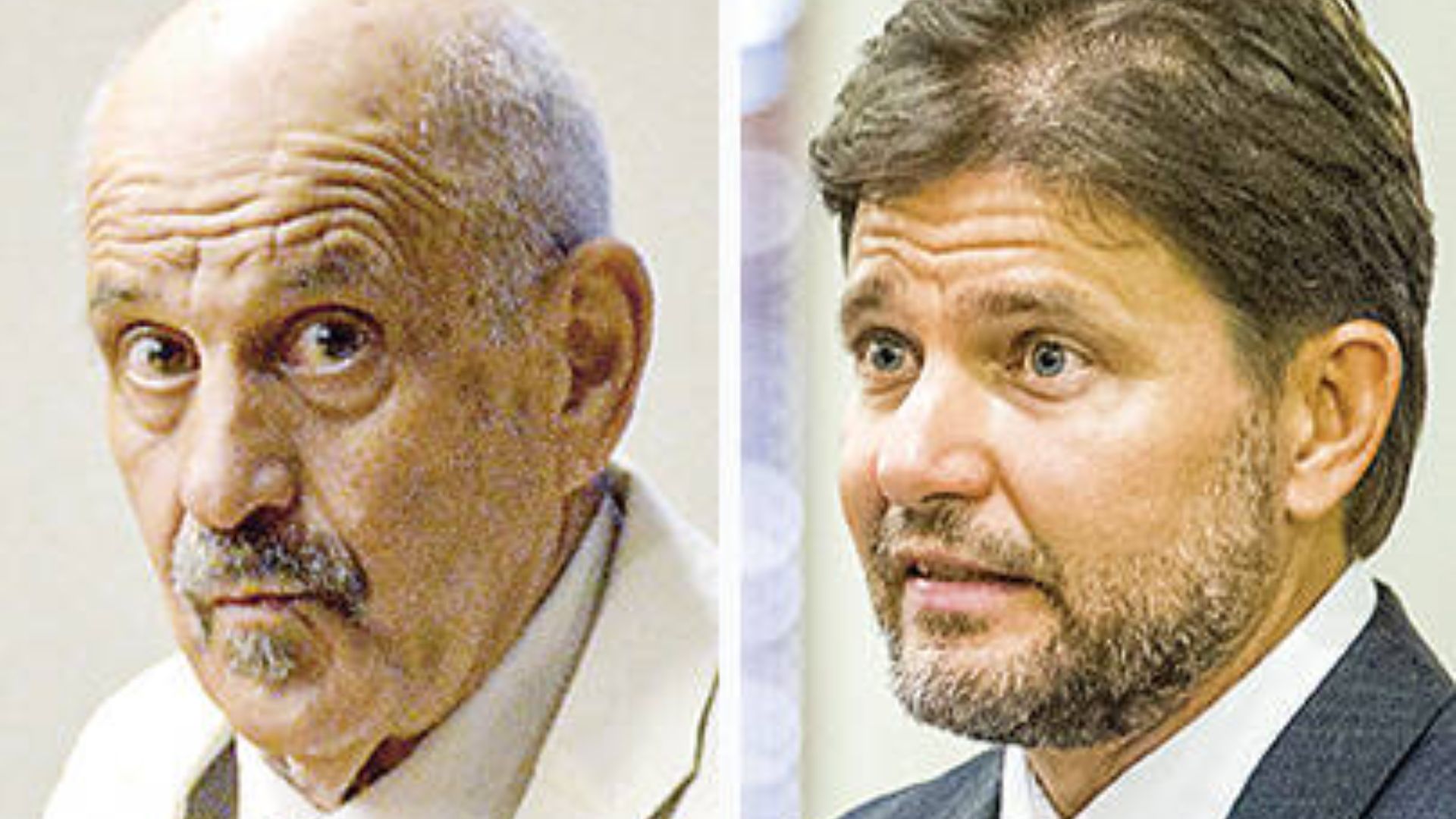
According to prosecutors, Zamber worked alongside Paul Sulla, 79, a Hilo-based attorney, and Rajesh Budhabhatti, 65, a local businessman, to exploit a loophole in Hawaii County’s affordable housing credit program. The trio conspired with a county employee to secure credits and land under false pretenses.
The scheme allegedly generated nearly $11 million in land and affordable housing credits, which were later sold to developers for profit.
Role of County Housing Official
A central figure in the case was Alan Scott Rudo, a former county housing specialist with the Office of Housing and Community Development (OHCD). Rudo served as the prosecution’s key witness after pleading guilty in August 2022 to conspiracy to commit honest services wire fraud.
Court records show that Rudo abused his official position by approving affordable housing agreements in exchange for bribes and kickbacks. His actions ensured county approval for three projects linked to the defendants:
- Luna Loa Developments LLC
- West View Developments LLC
- Plumeria at Waikoloa LLC
Despite receiving housing credits and land, none of these projects resulted in the construction of new affordable housing units.
Financial Impact and Forfeitures
Rudo admitted his personal share of the profits amounted to $1.93 million. As part of his plea agreement, he consented to forfeit recovered funds, housing credits, and real estate connected to the scheme. He also agreed to a monetary judgment exceeding $2.1 million.
Zamber, meanwhile, was ordered to surrender more than $124,000 he personally received through the fraudulent activities.
Legal Consequences and Charges
Zamber, Sulla, and Budhabhatti were convicted of:
- Conspiracy to commit honest services wire fraud
- Nine counts of honest services wire fraud
Sulla was also found guilty of money laundering, a charge that carries additional penalties.
Under federal law, honest services wire fraud and conspiracy charges carry a maximum sentence of 20 years in prison, while money laundering offenses are punishable by up to 10 years.
Status of Co-Defendants
Budhabhatti is scheduled to be sentenced at 9:30 a.m. Friday before Judge Otake and remains free pending that hearing.
Sulla’s sentencing has been delayed and has not yet been rescheduled. He is currently in custody at the Federal Detention Center in Honolulu after a judge found probable cause that he continued practicing law despite an order to stop from the state Supreme Court’s Office of Disciplinary Counsel.
Rudo’s sentencing has also faced multiple delays and is now set for March 6 before Judge Otake.
Conclusion
Zamber, who remains free for now, has been ordered to report to federal prison by March 13 and is expected to appeal his sentence. The case highlights the serious consequences of corruption within public housing programs and underscores federal authorities’ focus on holding individuals accountable for abusing public trust.
Share your experiences in the comments below.