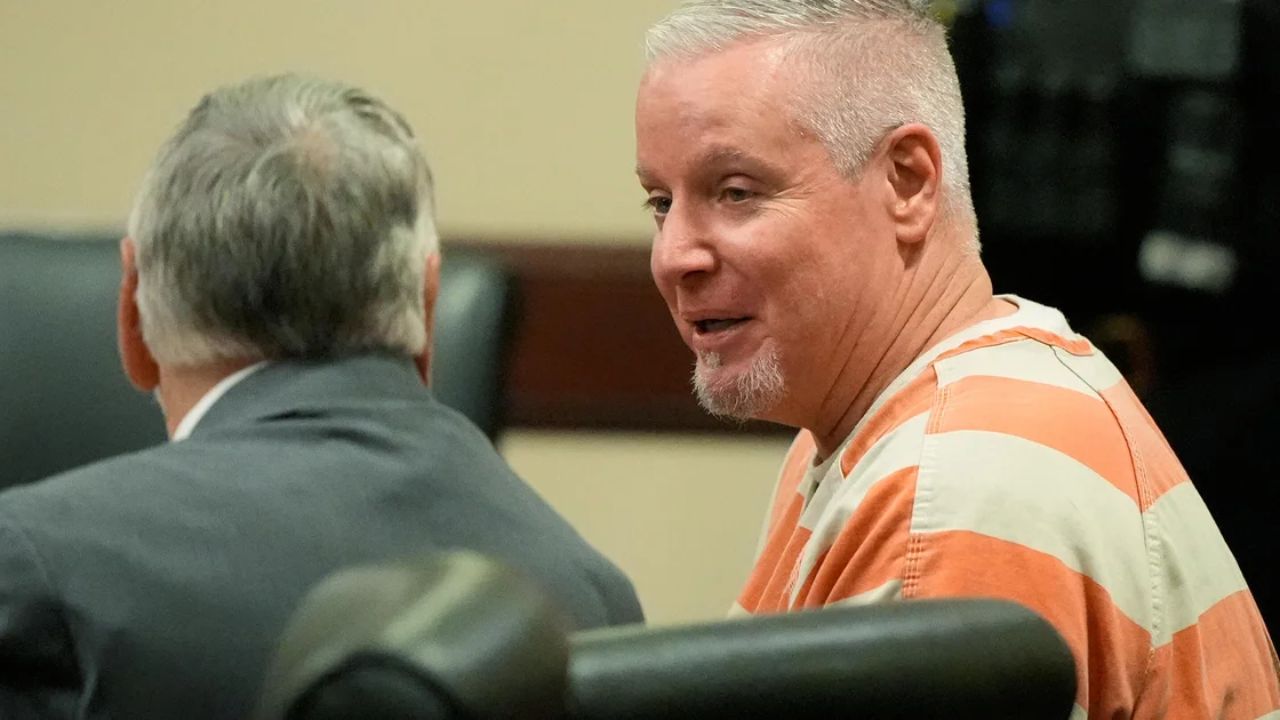
Barrow County, Georgia – The trial of Colin Gray, the father of the teen accused in the deadly Sept. 4, 2024 Apalachee High School shooting, began Monday in Barrow County. Prosecutors say the case could become a landmark decision in Georgia law regarding parental responsibility in school violence cases.
Gray faces multiple felony charges tied to the deaths of two students and two teachers. Legal analysts say the outcome could set a powerful precedent for how parents are prosecuted when minors commit violent crimes.
Incident Overview
The case stems from the tragic shooting at Apalachee High School on September 4, 2024, when Gray’s son, Colt Gray, allegedly opened fire inside the school building. Authorities say four victims — two students and two teachers — were killed during the incident.
While the teenage suspect faces his own criminal case, prosecutors argue that the focus of this trial is on the father’s alleged actions leading up to the shooting. According to the state, Colin Gray allowed his son access to firearms and ammunition despite prior warnings about potential threats.
Timeline of Events
The shooting occurred in early September 2024, prompting widespread shock across Georgia and renewed debates over school safety and gun access.
In the months following the tragedy, investigators examined how the teenager obtained the weapon. Authorities allege that the firearm was accessible within the home and that warning signs were ignored.
By late 2024, prosecutors formally charged Colin Gray. Jury selection and pretrial motions followed before opening statements began this week in Barrow County.
Charges Filed Against Colin Gray
Gray is facing nearly 30 criminal counts, including:
- Two counts of second-degree murder
- Two counts of involuntary manslaughter
- Additional charges related to cruelty to children
- Allegations of reckless conduct involving firearm access
If convicted on all charges, Gray could face up to 180 years in prison.
The prosecution argues that his alleged recklessness directly contributed to the deaths of four people.
Prosecutor’s Opening Statement
Barrow County District Attorney Brad Smith told jurors the case is not about blaming parents in general, but about the specific conduct of this defendant.
“This case is about this defendant and his actions. His actions in allowing a child that he has custody over access to a firearm and ammunition after being warned,” Smith said in court.
Prosecutors contend that Gray had been warned about his son’s behavior and failed to take appropriate steps to secure weapons in the home.
Defense Argument
Defense attorney Brian Hobbs urged jurors to focus on whether Colin Gray had actual knowledge of his son’s intentions.
According to Hobbs, the central question is not whether a tragedy occurred, but whether the father knowingly enabled it.
Gray has entered a plea of not guilty to all charges.
Why This Case Is Considered Unusual
Legal experts say prosecutions of parents for crimes committed by their children remain rare. Local defense attorney Keith Adams, who is not involved in the case, described the prosecution’s strategy as uncommon.
“The state is alleging that it is because of the recklessness of the parent that the child is able to commit the offense that they are charged with committing, and so it’s unusual. We don’t see that often,” Adams explained.
Similar cases have emerged in states such as Wisconsin and Michigan, but Georgia has not previously seen a prosecution of this scale tied to a school shooting.
Potential Legal Precedent in Georgia
Legal observers believe the outcome could influence how prosecutors statewide approach future cases involving minors and firearms.
Adams suggested that district attorneys may increasingly examine the actions of adults surrounding juveniles accused of violent crimes.
“I think more prosecutors are going to be examining the behaviors of the people around these youngsters who commit these types of crimes,” Adams said.
If convicted, the case could open the door for broader interpretations of parental responsibility under Georgia law.
Broader Context: Parental Responsibility and Gun Access
The trial unfolds amid ongoing national debates about gun safety, secure firearm storage, and accountability in school shootings.
Advocates for stricter gun storage laws argue that adults must ensure weapons are inaccessible to minors. Meanwhile, critics caution against expanding criminal liability for parents without clear proof of intent or knowledge.
The verdict in this case may influence legislative discussions and prosecutorial strategies well beyond Barrow County.
Conclusion
The trial of Colin Gray represents one of Georgia’s most closely watched criminal proceedings in recent years. With four lives lost, nearly 30 charges filed, and the possibility of a 180-year sentence, the stakes are exceptionally high.
As testimony continues, jurors will determine whether the father’s alleged actions meet the legal threshold for criminal responsibility in one of the state’s most devastating school tragedies.
The case could ultimately reshape how Georgia addresses parental accountability in cases involving minors and firearms.
Share your experiences in the comments below.