
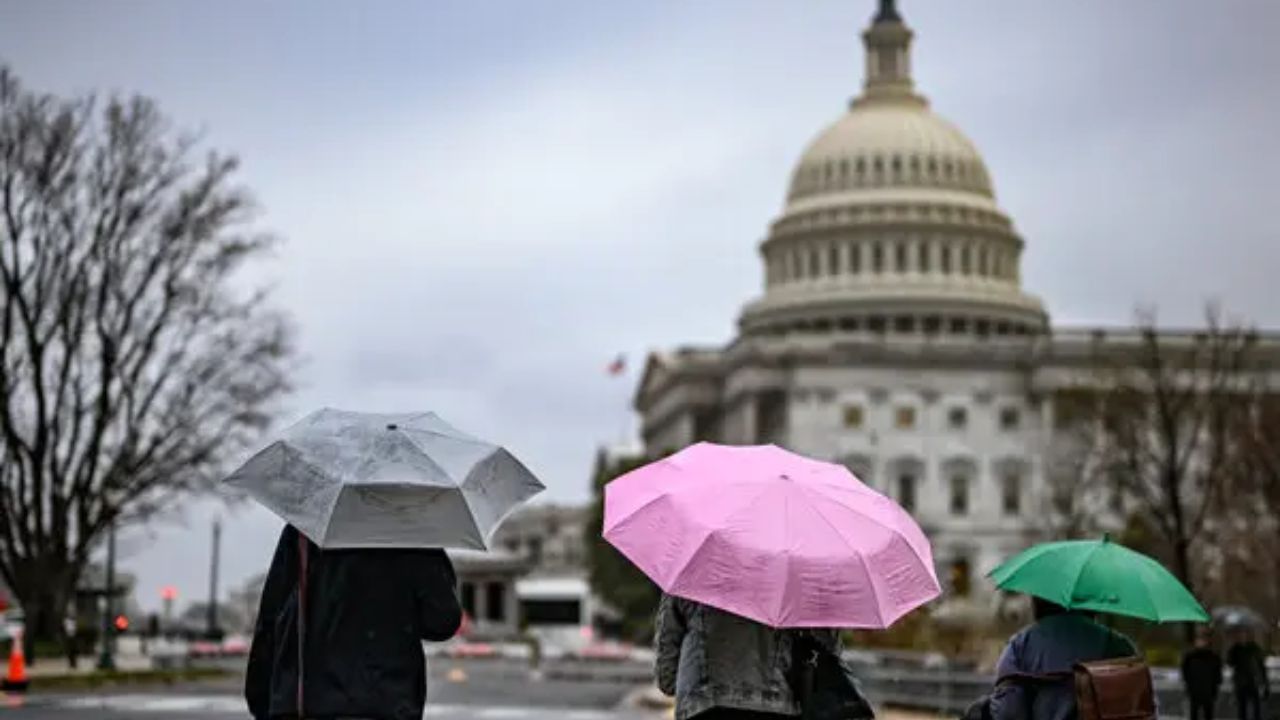
Washington, DC – A sudden return to cold weather is set to impact millions across the Mid-Atlantic region as an unusual late-April cold snap moves in, bringing temperatures far below normal and creating disruptions for commuters, residents, and early-season agriculture.
The shift begins Thursday, April 30, when a large mass of cold air from the Great Lakes pushes southeast and settles over major cities including Washington, Baltimore, Richmond, and parts of Pennsylvania. This system is expected to remain in place through Tuesday, May 6, creating an extended stretch of unseasonably cool conditions.
According to the National Weather Service, daytime temperatures will struggle to rise beyond the low to mid-50s across much of the region. Overnight lows will dip further into the upper 30s and low 40s, levels more typical of early spring rather than May.
The weather pattern is being driven by a persistent trough over the eastern United States, effectively locking colder air into the region for several days. This means residents should not expect a quick warm-up, with chilly conditions continuing well into next week.
For daily commuters, especially those traveling along major highways like I-95, I-66, and I-70, the impact could be immediate. Morning drives may become slower and more hazardous due to damp roads, light rain, and reduced visibility. Cities such as Arlington, Alexandria, Annapolis, and Harrisburg are expected to see the most noticeable effects during peak travel hours.
While rainfall amounts are not expected to be extreme, scattered showers during early mornings could still lead to longer commute times, particularly along busy routes like I-495 and U.S. Route 50.
Beyond travel concerns, the colder air may also affect agriculture in certain areas. In parts of central Virginia and the Shenandoah Valley, temperatures could briefly drop low enough to allow patchy frost, especially in rural or sheltered locations. This could pose a risk to newly planted crops and home gardens.
Residents across the region are also being advised to prepare for increased heating needs. With overnight temperatures staying unusually low for this time of year, households may rely more on heating systems, potentially leading to higher energy usage.
Along coastal areas near the Chesapeake Bay, stronger winds combined with the cold air could create an even sharper chill, particularly affecting boaters and small vessel operators.
Officials note that while this cold spell is temporary, it is expected to persist through May 6 before gradual warming begins. People are encouraged to stay updated as forecasts evolve and to plan ahead for both travel delays and colder-than-expected conditions.