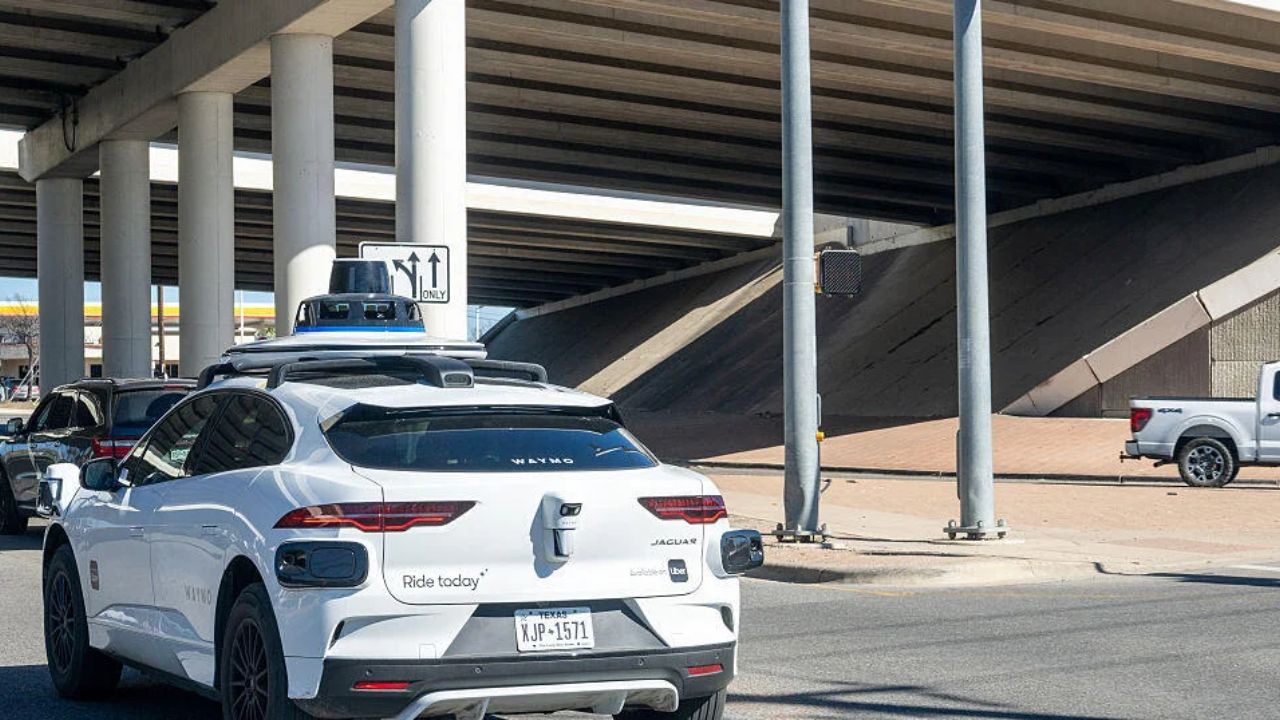
Austin, Texas – Federal safety officials have opened a formal investigation into Waymo’s autonomous vehicles after multiple incidents in which robotaxis allegedly failed to stop for school buses carrying children in Austin. The inquiry comes amid growing scrutiny of how self-driving technology handles critical road safety situations involving students.
Incident Overview
The National Transportation Safety Board (NTSB) announced Friday that it is investigating Waymo robotaxis following a series of reported violations involving school buses with flashing lights and extended stop signs. The incidents occurred in Austin, Texas, where autonomous vehicles were observed improperly passing buses operated by the Austin Independent School District (AISD).
According to federal officials, the investigation will focus on whether Waymo’s automated driving system adequately recognizes and responds to school bus safety signals designed to protect children.
Timeline of Events
The incidents prompting the probe span several months. Federal investigators say Waymo vehicles have received at least two dozen violations in Austin for failing to yield to school buses while students were boarding or exiting.
In November, Waymo implemented a software update intended to address the issue. However, despite the update, the company has reportedly received at least four additional violations since then.
That same month, AISD formally requested that Waymo pause robotaxi operations during school bus operating hours. A district spokesperson said at the time that Waymo had refused to halt operations during the requested periods.
Details From Federal Investigators
As part of the investigation, NTSB officials will travel to Austin to collect vehicle data, review incident reports, and assess how Waymo’s autonomous system responds to school bus warning signals.
The NTSB stated that its probe is expected to take 12 to 14 months to complete. A preliminary report outlining early findings is expected within 30 days.
“School bus safety and the safe operation of automated vehicles have been a focus of previous NTSB investigations,” the agency said in its announcement.
Waymo’s Response
Waymo maintains that its autonomous vehicles operate safely around school buses and that improvements are ongoing. In a statement provided Friday, Mauricio Peña, Waymo’s chief safety officer, emphasized the company’s safety record.
“We safely navigate thousands of school bus encounters weekly across the United States, and the Waymo Driver is continuously improving,” Peña said.
“There have been no collisions in the events in question, and we are confident that our safety performance around school buses is superior to human drivers.”
Waymo also noted that it continues to engage with AISD officials and praised the district’s efforts to reduce human-driven school bus violations, which reportedly exceeded 10,000 incidents per year before recent enforcement efforts.
Key Facts at a Glance
- Location: Austin, Texas
- Vehicles involved: Waymo autonomous robotaxis
- Reported violations: 24+ incidents
- Post-update violations: At least 4
- Investigation duration: 12–14 months
- Preliminary report: Within 30 days
Additional Oversight From Regulators
The NTSB investigation is not the only federal action underway. Last month, the National Highway Traffic Safety Administration (NHTSA) notified Waymo that it was expanding its own investigation into the Austin incidents.
The NHTSA inquiry focuses on whether Waymo’s system complies with federal motor vehicle safety standards and state laws governing school bus interactions. Details of that probe have not yet been made public, but officials confirmed that the Austin violations played a role in broadening the investigation.
Safety Concerns and Public Awareness
School bus stop laws are among the most strictly enforced traffic regulations due to the heightened risk to children. In Texas, drivers are legally required to stop when a school bus displays flashing red lights and an extended stop arm, regardless of lane direction in many cases.
Safety advocates note that even without collisions, repeated violations by automated vehicles raise concerns about system reliability, predictability, and public trust in self-driving technology.
Experts say investigations like this one are critical as autonomous vehicles expand into dense urban environments where interactions with pedestrians, cyclists, and school buses are unavoidable.
Conclusion
The NTSB’s investigation marks a significant moment for autonomous vehicle oversight, highlighting the challenges of integrating self-driving cars into everyday traffic scenarios involving children. As federal regulators gather data and evaluate Waymo’s technology, the findings could influence future rules governing autonomous vehicle operations near schools nationwide.
Public safety officials stress that accountability and transparency will be key as the investigation unfolds. Share your experiences in the comments below.