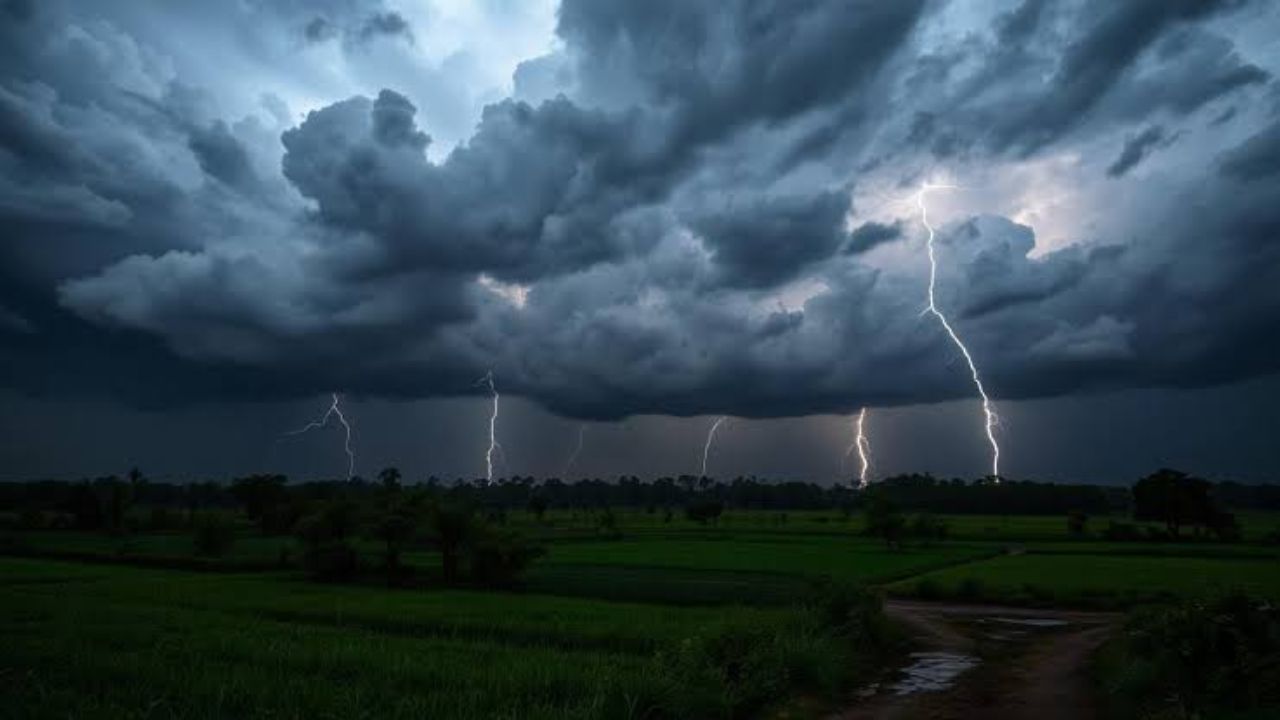
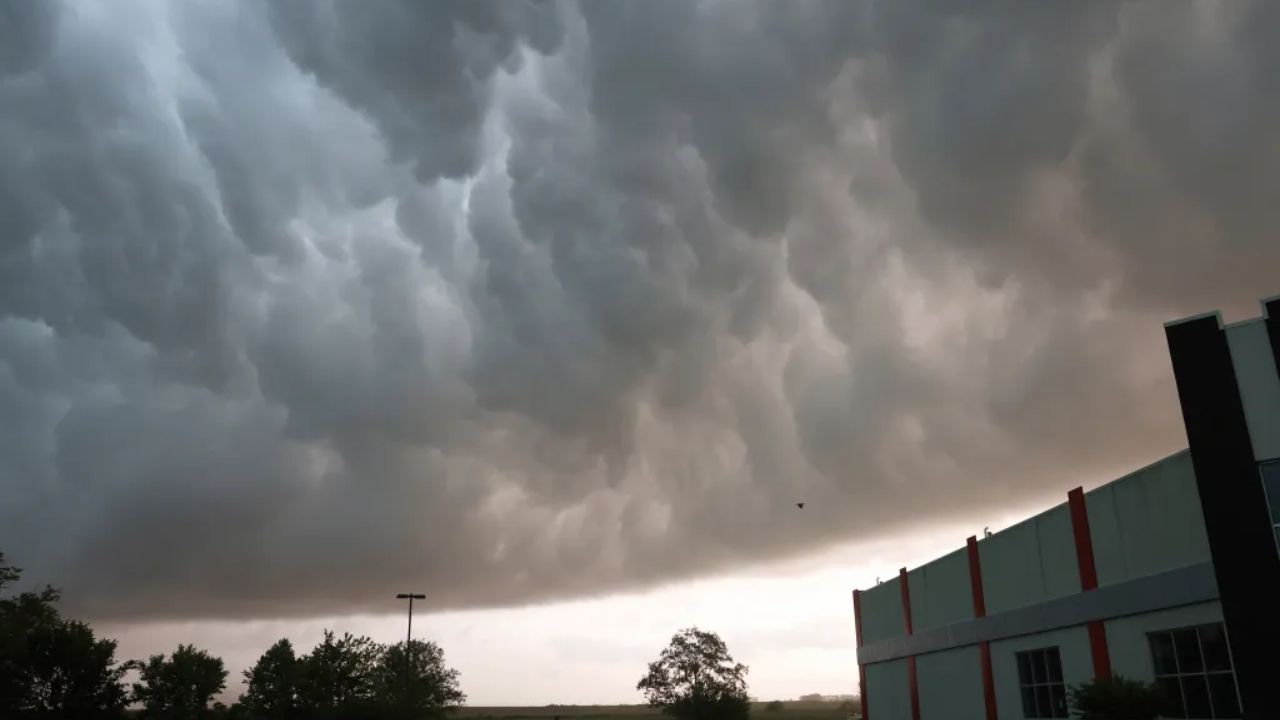
GRAND ISLAND, Nebraska — One of the most active severe weather stretches of the spring just tore through the heart of America — and it is not finished yet.
From the Plains to the Great Lakes, the outbreak that began last Saturday has now produced more than 775 reports of severe weather, spawning tornadoes, snapping trees and flipping planes at major airports.
And on Tuesday night, millions more from Texas to Maine are still in the path of storms.
How It All Started: Saturday Through Sunday
The outbreak kicked off Saturday across Nebraska, northern Kansas and northern Missouri, generating over 200 severe weather reports.
Three tornadoes touched down in Linn and Livingston Counties, Missouri — all rated EF0 or EF1.
Sunday brought the most destructive day of the outbreak.
An EF3 tornado ripped through Howard County, Nebraska, near the small town of St. Libory — about 10 miles north of Grand Island — around 5 p.m. CDT. With peak winds estimated at 160 mph, it destroyed four homes.
Remarkably, nobody was injured. Residents had taken shelter after receiving National Weather Service tornado warnings in time.
A separate tornado near Hebron, Nebraska — close to the Kansas border — prompted a rare tornado emergency from the National Weather Service. That storm was later rated EF1.
Additional tornadoes were confirmed near Ashland, Plattsmouth, and parts of northwest Iowa and southern Minnesota, including near Mason City and Worthington.
Near Estherville, Iowa, wind gusts hit 82 mph. A grain elevator in Greenville, Iowa was damaged by the violent winds.
Monday: 300+ Reports, Chaos Near Kansas City
Monday turned into the most active day yet, with over 300 severe weather reports stretching from the Central Plains to the Great Lakes.
Multi-vortex tornadoes — rare, visually stunning and extremely dangerous — were spotted in Washington and Marshall Counties, Kansas, near Blue Rapids. Grain bins were damaged northwest of Frankfort.
More tornadoes were confirmed in extreme southeast Nebraska near Pawnee City and Falls City.
Then the storms rolled east.
In Chicagoland, wind gusts up to 79 mph were clocked at Midway Airport, snapping tree branches across the metro area.
In Indiana, barns and outbuildings took direct hits from the powerful gusts.
In Michigan, three planes were flipped at Lansing’s Capital Airport, where gusts reached 68 mph. Roof damage was reported in Woodland and in the Detroit suburb of Rochester Hills.
Tuesday Night: Your Area May Still Be at Risk
The final round of this outbreak arrives Tuesday evening — and it covers an enormous stretch of the country.
A broad area from Texas through the Ohio Valley, Great Lakes, upstate New York and into New England could see scattered severe thunderstorms.
The tornado threat is much lower than earlier in the week. But damaging wind gusts, large hail and locally heavy, flooding rain are still real concerns across all of these areas.
If you are in any of these regions, stay alert and keep a weather app open on your phone tonight.
Why May Started So Quiet — Then Exploded
May is typically the most active tornado month in the United States. But the first two weeks of May were unusually quiet.
The reason: a weather pattern that was cooler than average in the East and warmer than average in the West — the opposite of what typically fuels widespread spring storm outbreaks east of the Rockies.
Only eight confirmed tornadoes from supercell storms on May 6 in southern Mississippi interrupted the calm.
Then the pattern flipped — and this outbreak arrived.
Are you in the path of tonight’s storms, or did severe weather impact your community this week? Tell us what you saw or experienced in the comments below.