
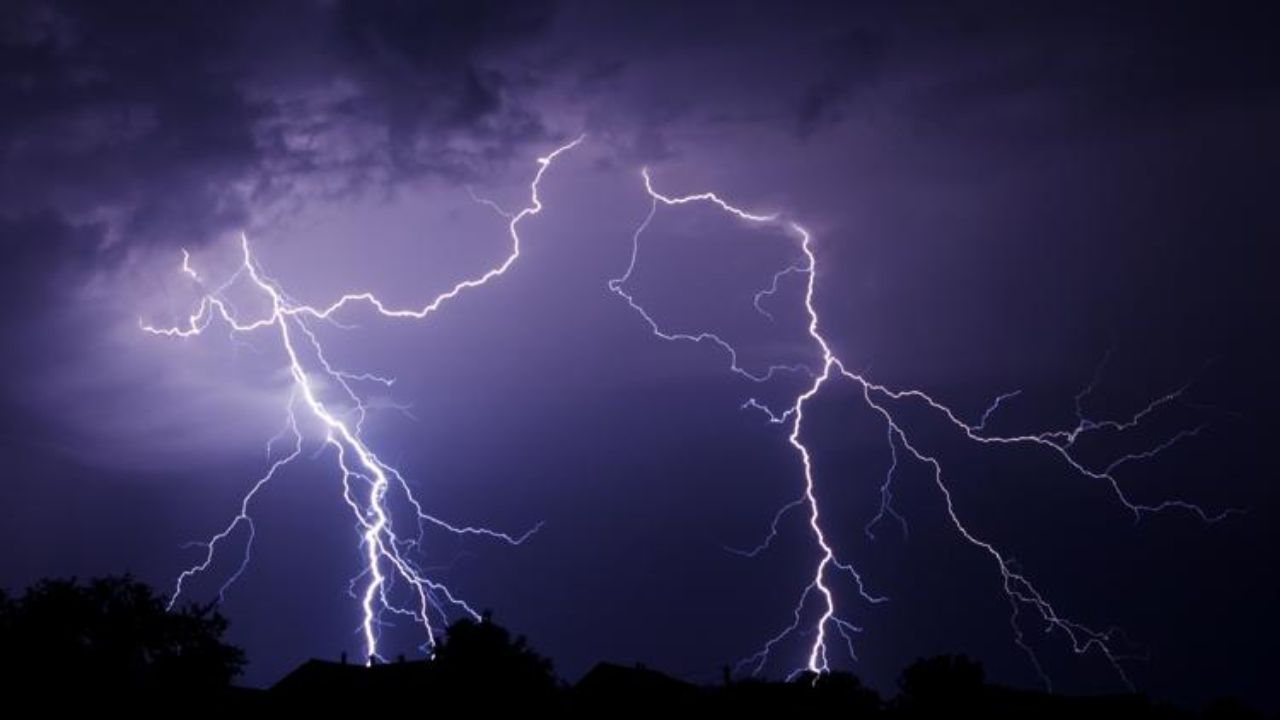
Tulsa, Oklahoma — A round of overnight thunderstorms is expected to move across northeast Oklahoma, bringing lightning, bursts of heavy rain, and gusty winds that could affect travel late Monday night into early Tuesday.
According to the National Weather Service office in Tulsa, storm chances will begin increasing after 7 p.m., with the most active period likely between 10 p.m. and 3 a.m. Areas including Tulsa, Bartlesville, Miami, and Muskogee, along with parts of northwest Arkansas such as Fayetteville and Fort Smith, are expected to see the highest impact.
Forecasters say the overall severe weather threat remains low, but the storms could still bring sudden wind gusts strong enough to move loose debris and create brief hazards on roads. Periods of heavy rain may reduce visibility quickly, especially for drivers traveling overnight.
Major routes like I-44, U.S. 69, and U.S. 412 could see slick conditions, with water briefly collecting in low-lying spots and underpasses. Poor drainage areas may be particularly vulnerable to short-term ponding, increasing the risk for drivers during peak storm hours.
This system is part of a larger weather pattern moving in from the Plains, increasing atmospheric instability overnight before a cold front pushes through early Tuesday morning. As the front moves across the region, conditions are expected to gradually improve after sunrise.
Residents are advised to stay alert to changing weather conditions overnight. If thunder is heard, it’s safest to move indoors immediately. Drivers should avoid flooded roadways and be cautious of sudden changes in visibility. Securing lightweight outdoor items can also help prevent damage from gusty winds.
The most impactful window remains between 10 p.m. and 3 a.m., when storms are expected to be at their strongest and most likely to disrupt travel and outdoor activity.