
Chicago, Illinois – Residents across the Great Lakes region are preparing for an unexpected return to cold weather as a prolonged chill is set to grip multiple states starting April 30. According to the National Weather Service, temperatures are expected to drop significantly below normal levels, creating conditions more typical of early spring than May.
What’s Happening
A large and persistent cold air mass is moving into the central and northern United States, covering states including Minnesota, Wisconsin, Illinois, Michigan, Indiana, Ohio, and parts of Missouri and Iowa. This system will remain in place until at least May 6, keeping daytime temperatures much lower than usual.
Cities like Chicago, Detroit, Milwaukee, Minneapolis, and Cleveland will see daytime highs mostly stuck in the 40s to low 50s. Overnight temperatures are expected to dip into the 30s, with some northern areas possibly experiencing temperatures in the upper 20s.
Impact on Travel and Commuters
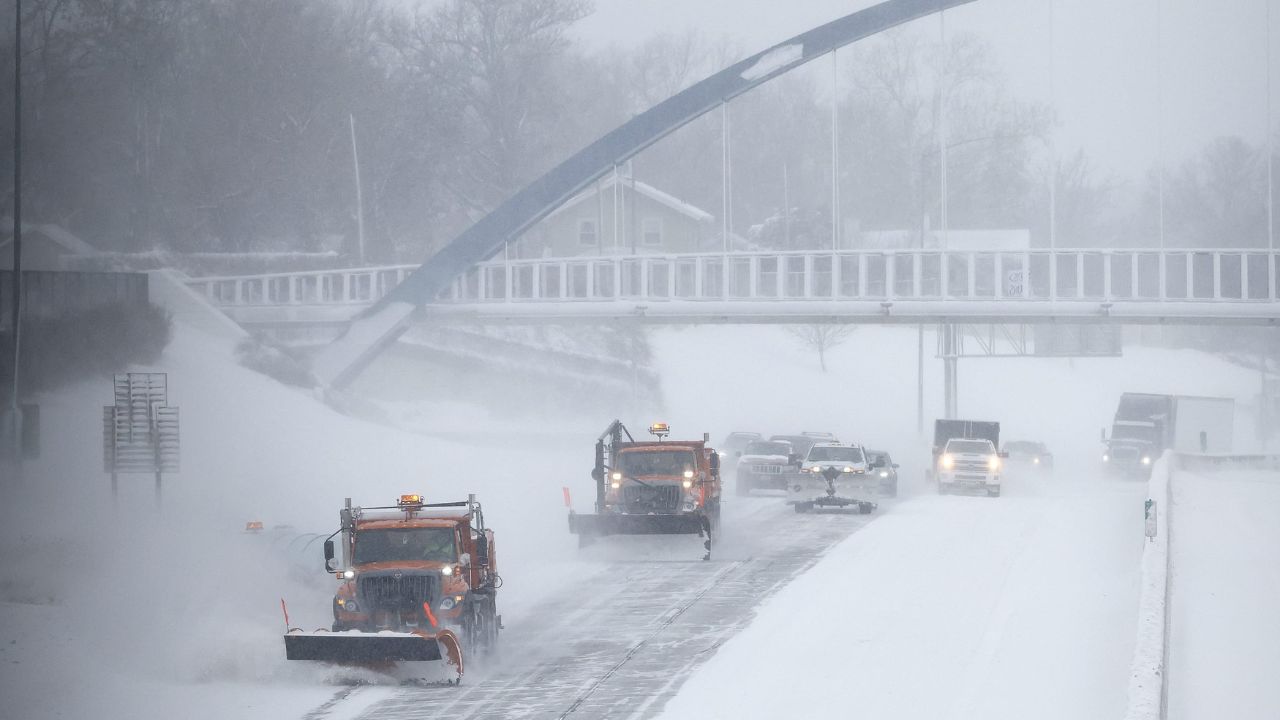
The colder weather is expected to affect daily travel, especially during morning commutes. Major highways such as I-90, I-94, and I-75 may experience slower traffic due to damp roads, light rain, and reduced visibility.
Urban corridors between Minneapolis and Detroit are likely to see the most disruption. Even light precipitation combined with cold temperatures can create slick road conditions, increasing the risk of delays and minor accidents during peak hours.
Rural Areas and Frost Concerns
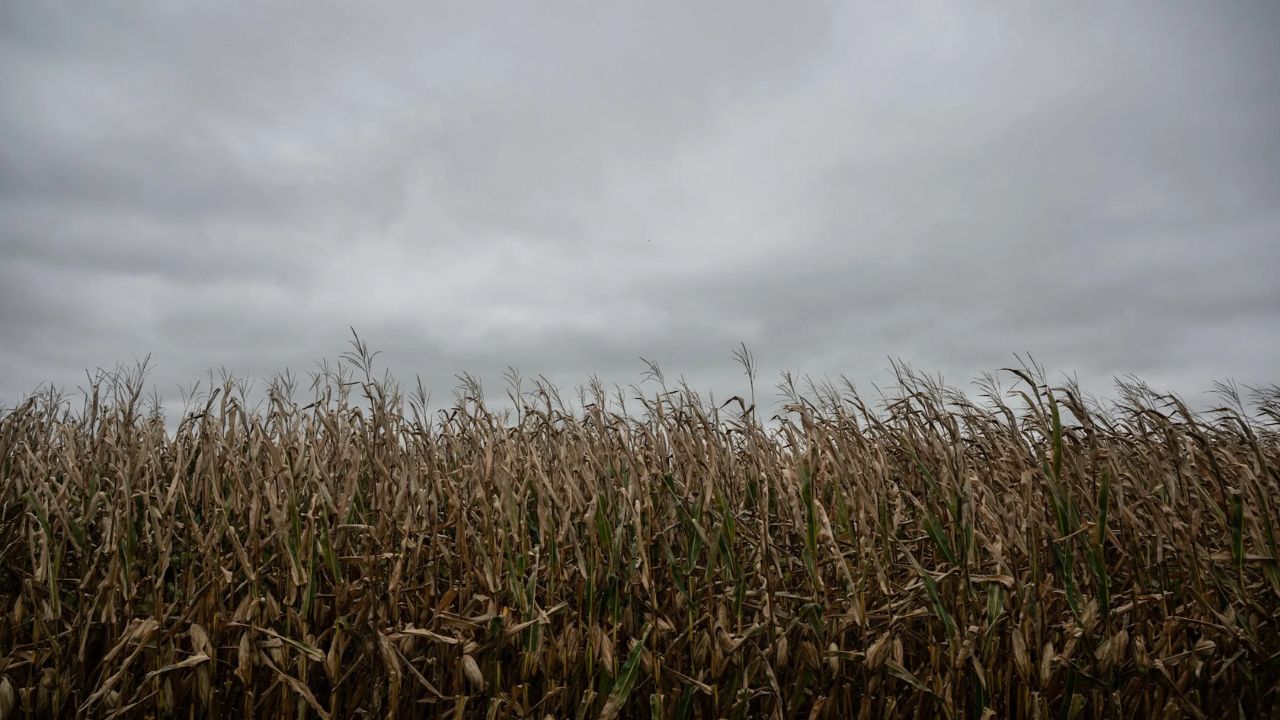
In northern and rural regions, including parts of Wisconsin and Michigan’s Upper Peninsula, temperatures may briefly drop to freezing levels overnight. This raises concerns for early-season crops and gardens.
Farmers and homeowners are being advised to take precautions, such as covering plants or bringing sensitive vegetation indoors to prevent frost damage.
Increased Heating Demand
With temperatures staying unusually low for early May, homes and businesses across the region are expected to rely more on heating systems. This could lead to increased energy usage and higher utility demand.
Cold winds coming off Lakes Superior and Michigan will make conditions feel even colder, particularly in shoreline cities like Green Bay and Grand Rapids. Gusty winds may also affect drivers, especially those operating large or high-profile vehicles.
What to Expect Next
This cold pattern is expected to continue through May 6, with only gradual warming afterward. Weather officials note that conditions may still change slightly, especially regarding frost risks and localized impacts.
Residents across the Great Lakes region are encouraged to stay updated with local forecasts and prepare for a few more days of winter-like weather before temperatures begin to recover.